English
 Arabic
 Chinese (Simplified)
 Dutch
Dutch French
 German
 Italian
 Japanese
 Korean
 Portuguese
 Russian
 Spanish
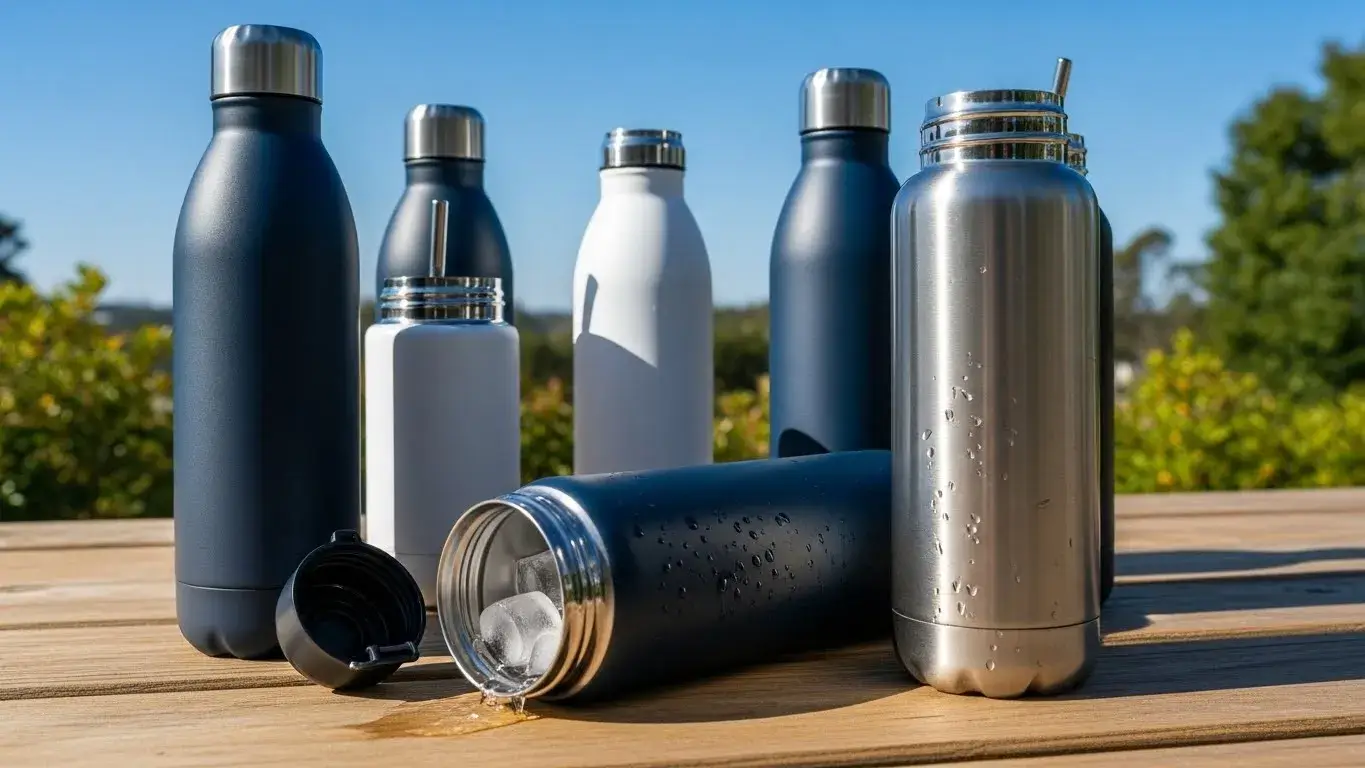
Sweating under the sun with lukewarm water? The right bottle keeps hydration cool and refreshing all day long.
Stainless steel insulated bottles with vacuum technology are best for keeping water cold in summer, thanks to their superior thermal performance and safe materials.
Let's explore what makes a summer bottle effective—and which ones stand out.
Why Choosing the Right Water Bottle Matters in Summer?
Summer heat puts your hydration to the test. Not every bottle can keep up.
A high-performance water bottle helps prevent dehydration1 by keeping water cold, improving comfort during summer travel, sports, and daily routines.
Why It Matters
- Cold water encourages frequent drinking.
- Proper hydration boosts energy and prevents heat fatigue.
- Insulated bottles maintain low temperature outdoors and indoors.
Key Features to Look for in a Summer Water Bottle
Every feature affects cooling. Some matter more than others.
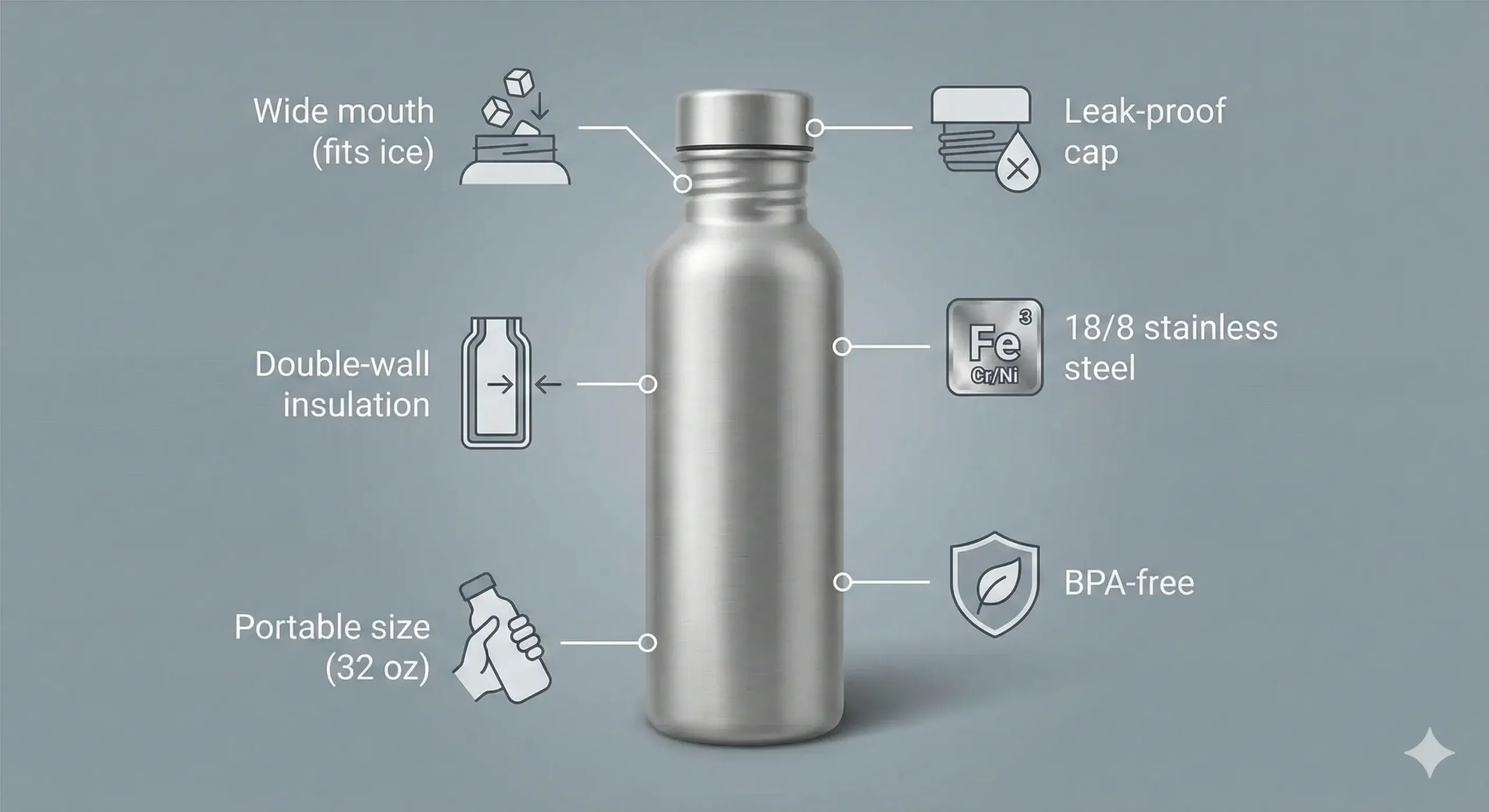
Look for double-wall vacuum insulation2, stainless steel construction, a wide mouth, and leak-proof design to maximize cooling and convenience.
Must-Have Features
- Insulation: Double- or triple-wall vacuum tech retains cold.
- Material: Stainless steel = durable, safe, eco-friendly.
- Mouth Size: Wide mouths fit ice cubes easily.
- Capacity: 20–32 oz is ideal for summer hydration.
- Leak-Proof: Keeps bags and hands dry during movement.
- Portability: Choose weight based on your activity (e.g., hiking vs. desk use).
What Types of Bottles Are Best for Summer Use?
Materials matter—and not just for looks.
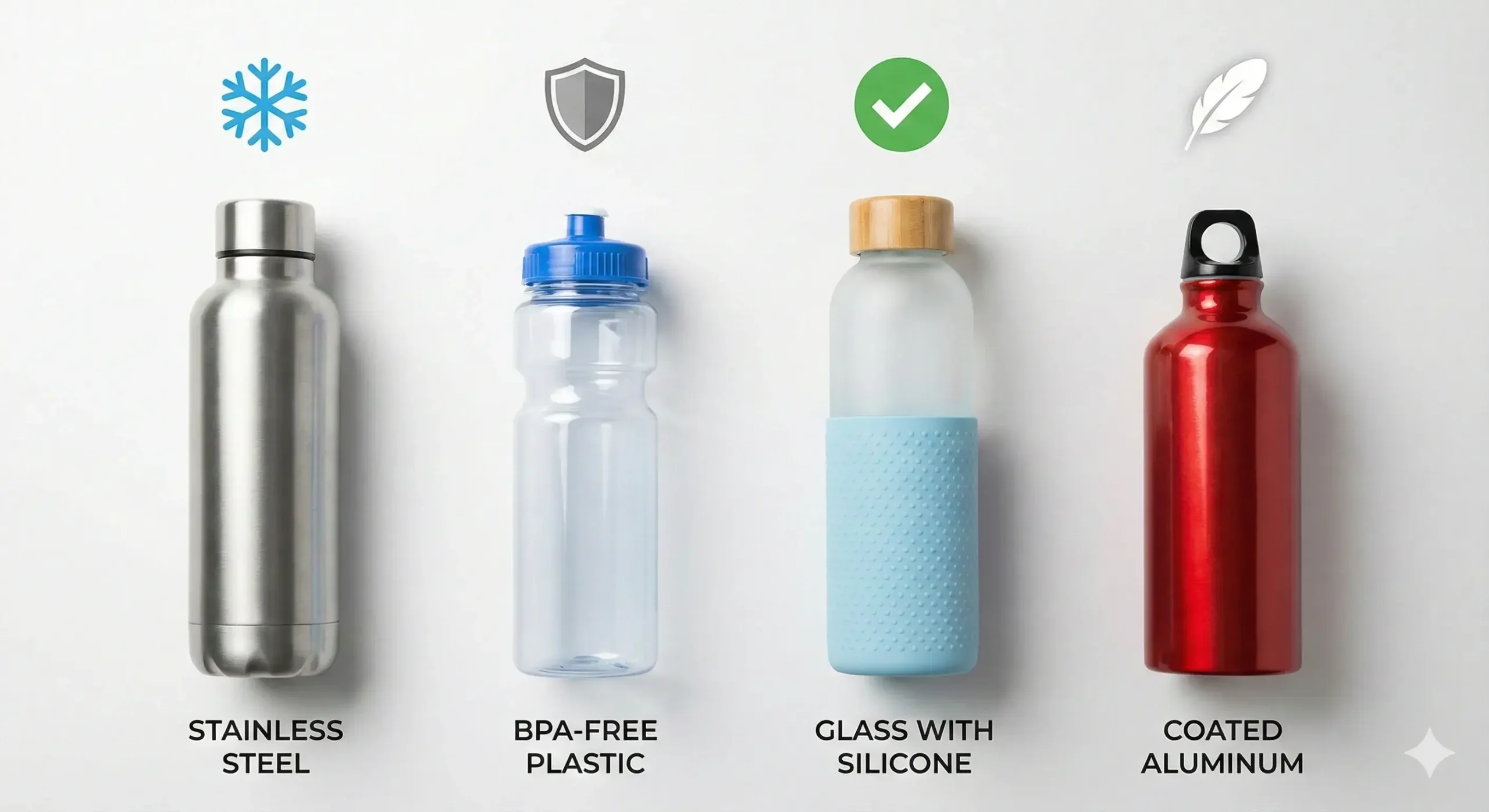
Stainless steel outperforms plastic, glass, and aluminum for insulation, durability, and health safety in summer heat.
Material Comparison
| Material | Insulation | Durability | Portability | Health Safety | Downsides |
|---|---|---|---|---|---|
| Stainless Steel | Excellent | Very High | Moderate | BPA-free, safe | Slightly heavier |
| Plastic | Poor | Moderate | Lightweight | Risk of leaching in heat | Not eco-friendly |
| Glass | Moderate | Fragile | Low | Non-toxic | Breakable, heavy |
| Aluminum | Low | Moderate | Lightweight | May have liner | Liner degradation, taste shift |
Why Are Stainless Steel Insulated Bottles the Best Choice for Hot Weather?
Looking for cold water 8 hours later? Go with steel.
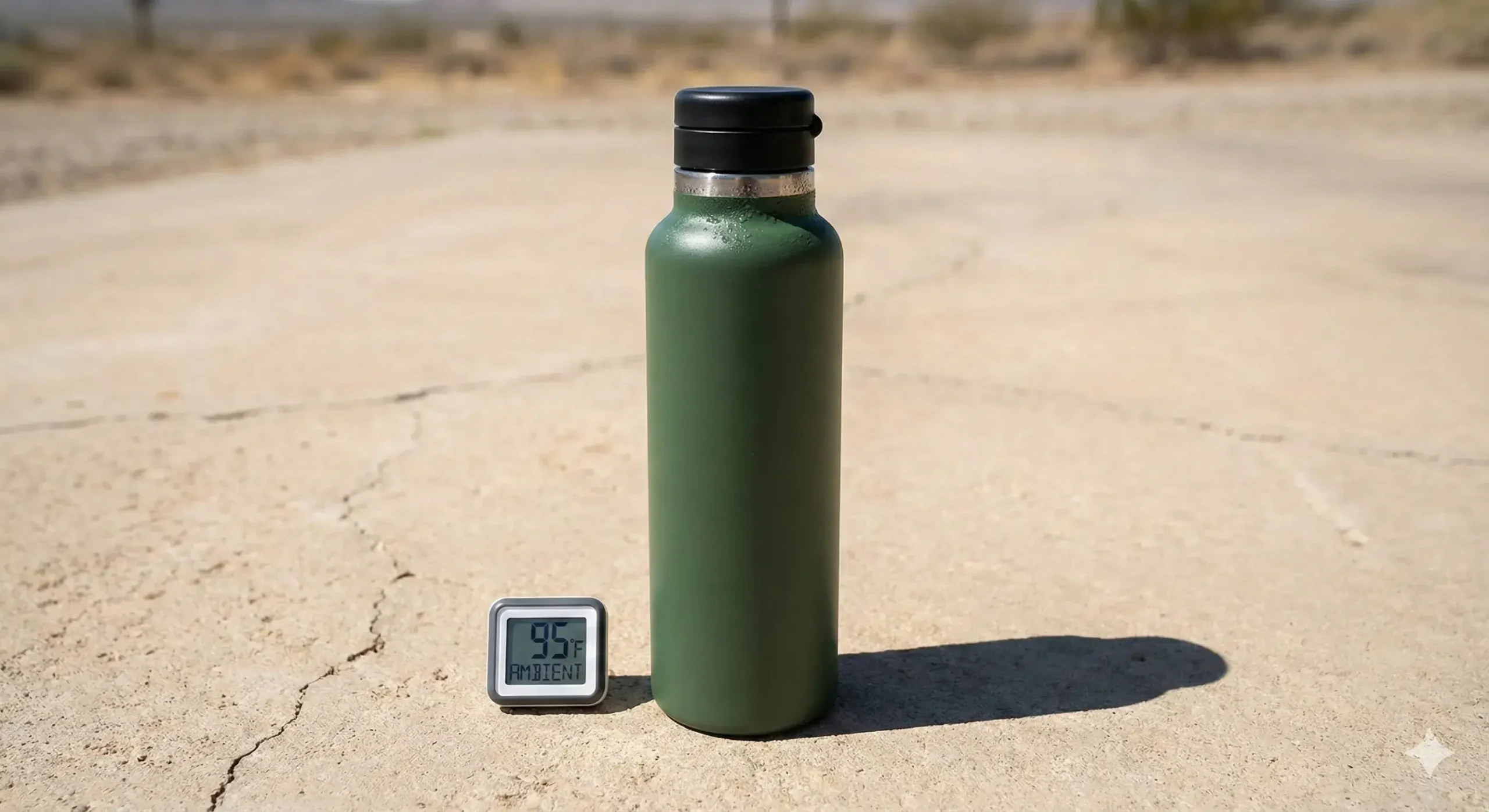
Stainless steel bottles with vacuum insulation maintain cold temperatures for hours, resist dents, and offer chemical-free hydration.
Key Advantages
- Keeps water cold 12–24 hours.
- Doesn't retain odors or flavors.
- BPA-free and non-toxic3.
- Withstands rough handling outdoors.
- Fully recyclable and eco-friendly.
How Do Top Summer Bottles Compare in Performance and Price?
Let's break down the most popular options on the market.
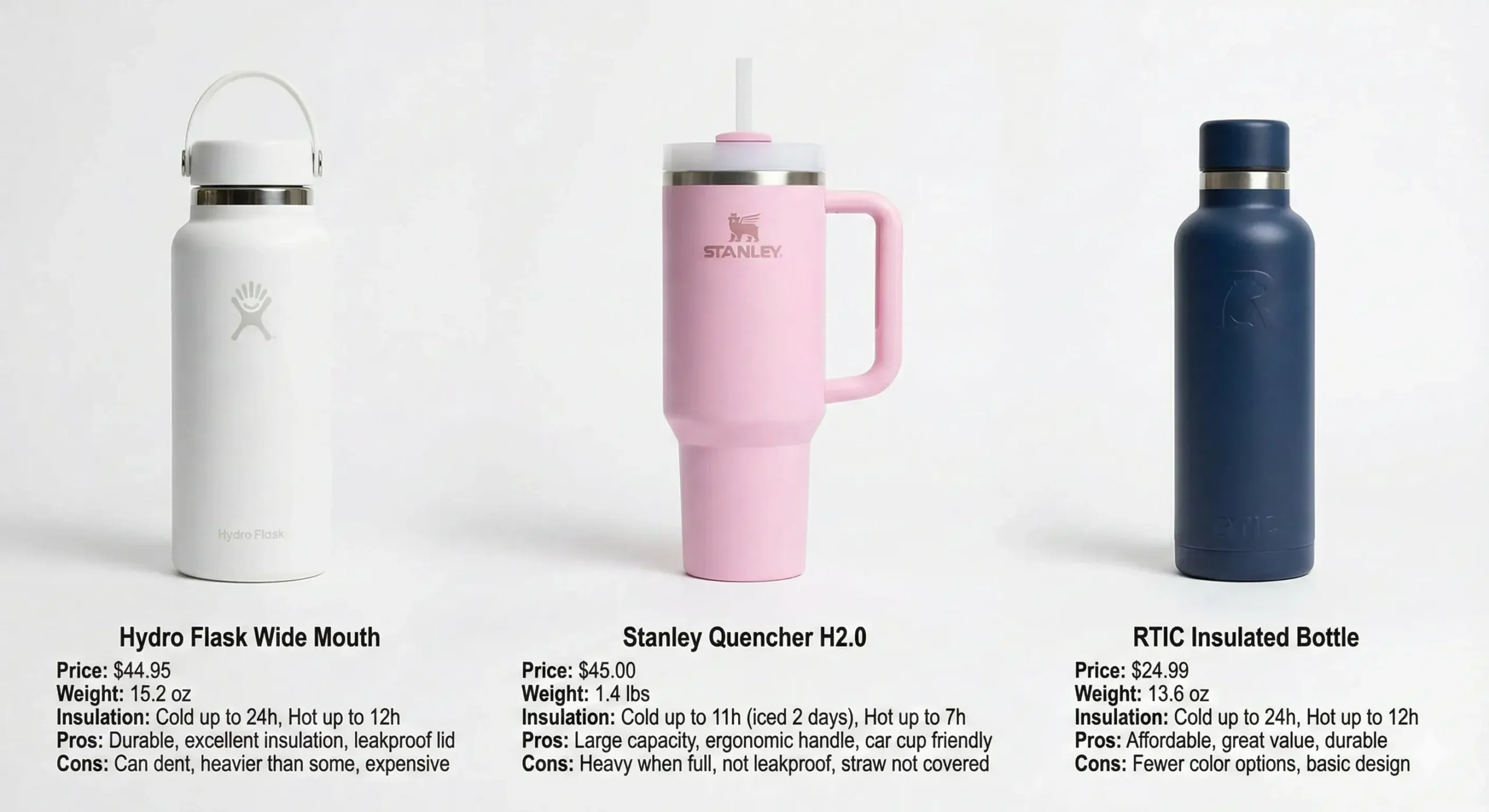
Hydro Flask, Stanley, and RTIC lead the way with reliable insulation and wide usability.
Comparison Table
| Model | Price | Material | Insulation | Weight (40oz) | Sizes (oz) | Pros | Cons |
|---|---|---|---|---|---|---|---|
| Hydro Flask Wide Mouth | $50 | Stainless Steel | Double-wall | 18.0 oz | 20, 24, 32, 40, 64 | Cold retention, brand appeal | Prone to dents |
| RTIC Insulated Bottle | $20 | Stainless Steel | Double-wall | 15.0 oz | 32, 36, 40 | Affordable, solid insulation | Not as sleek |
| Stanley Quencher H2.0 | $45 | Stainless Steel | Double-wall | 22.4 oz | 14, 20, 30, 40, 64 | Durable, trendy look | Heavier |
| Thermos Funtainer | $20 | Stainless Steel | Double-wall | 4.0 oz | 12, 16 | Kid-friendly, straw lid | Small volume |
| CamelBak Eddy+ | $35 | Stainless Steel | Double-wall | 6.14 oz | 25 | Leak-proof, sip valve | Avg. insulation |
What Affects a Bottle's Ability to Keep Water Cold in Summer?
Performance isn't only about the brand—it's also how you use it.
Material quality, capacity, and your usage habits all influence how long your water stays cold.
Factors That Matter
- Material: High-grade steel improves insulation.
- Capacity: Larger volumes retain cold longer.
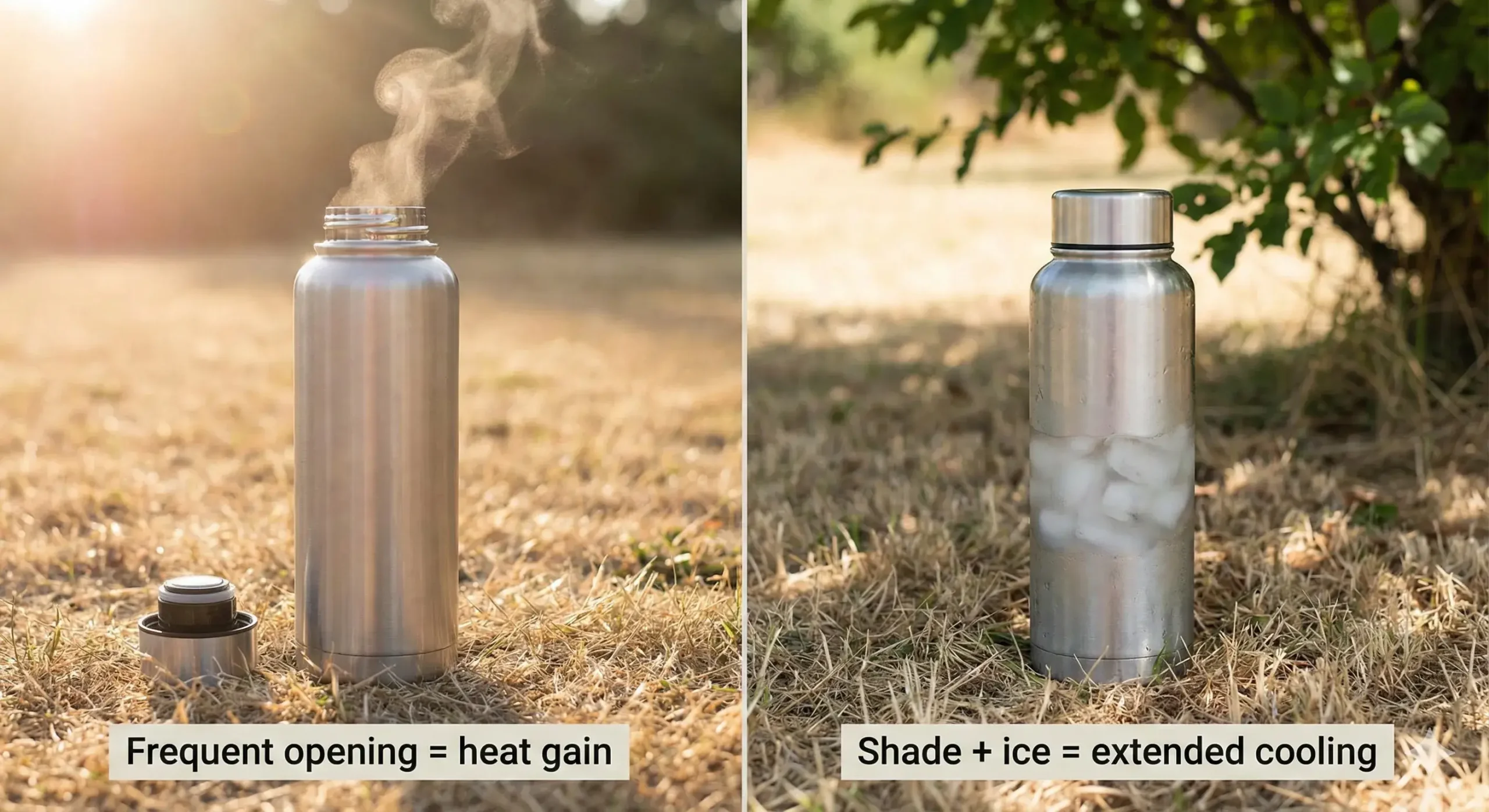
- Use: Frequent opening lets warm air in.
Tip: Store in shade and avoid opening too often for best results.
How Long Can Each Type of Bottle Keep Water Cold?
Some bottles give up early. Others power through the day.
Vacuum-insulated stainless bottles keep water cold for 12–24 hours. Other materials fall short.
Cooling Duration by Material
| Bottle Type | Cooling Time Estimate |
|---|---|
| Stainless Steel (Vacuum) | 12–24 hours |
| Glass with Sleeve | 3–5 hours |
| Aluminum (basic) | 2–4 hours |
| Plastic (non-insulated) | Less than 1 hour |
Is Your Bottle Safe and Sustainable for Summer Use?
Cold water shouldn't come with microplastics or toxic residues.
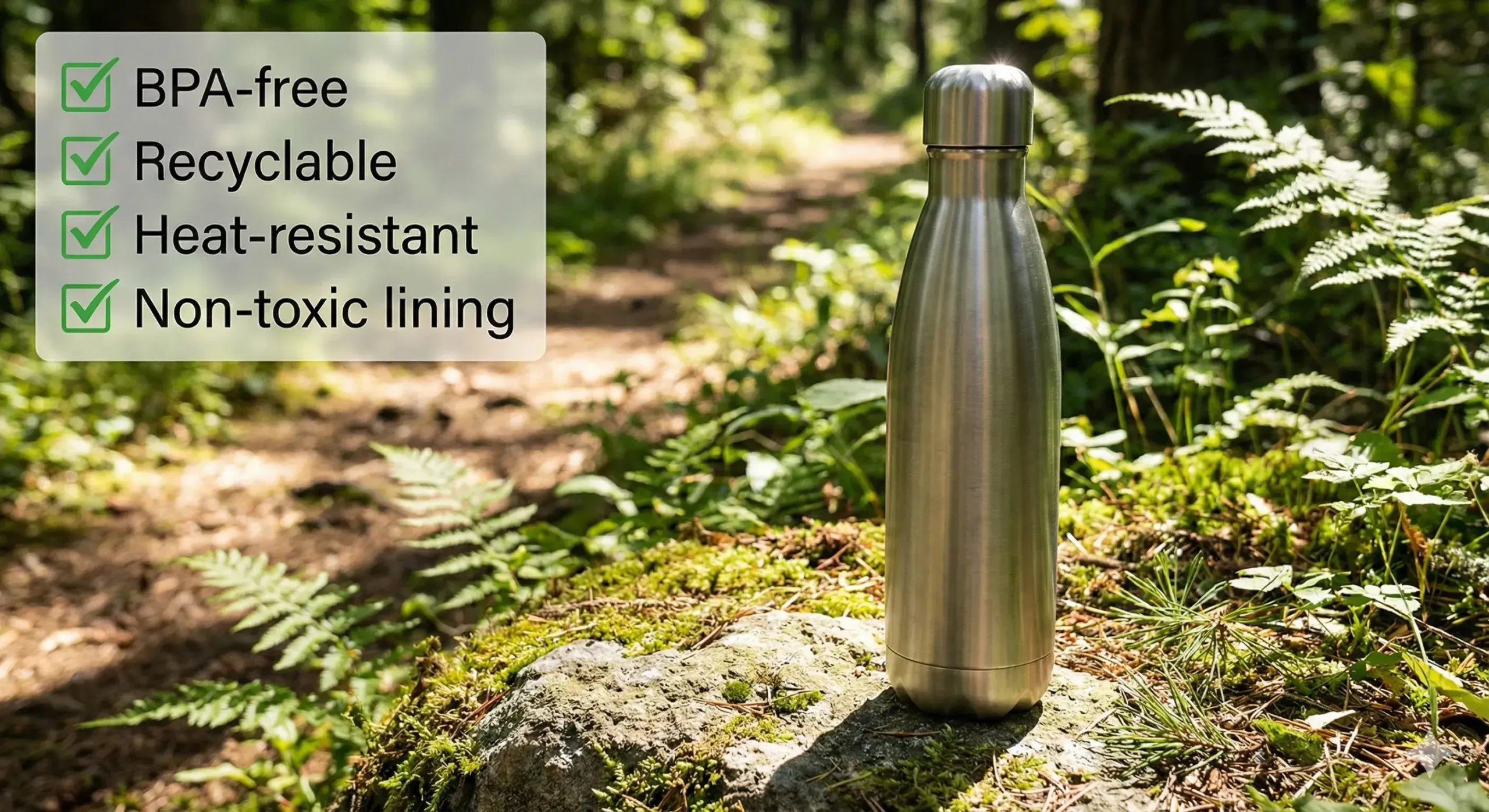
Stainless steel bottles are BPA-free and recyclable, while plastic and aluminum may introduce chemicals, especially under sun exposure.
Plastic bottles are prone to leaching chemicals when exposed to heat4, making stainless steel a safer choice for summer hydration.
Sustainability and Safety Checklist
- ✅ BPA-free?
- ✅ Recyclable?
- ✅ Heat-resistant material?
- ✅ Non-toxic interior?
Stainless steel meets all four—making it the safest choice for health and the planet.
How to Get the Most Cooling Out of Your Bottle
Even the best bottle needs the right prep.
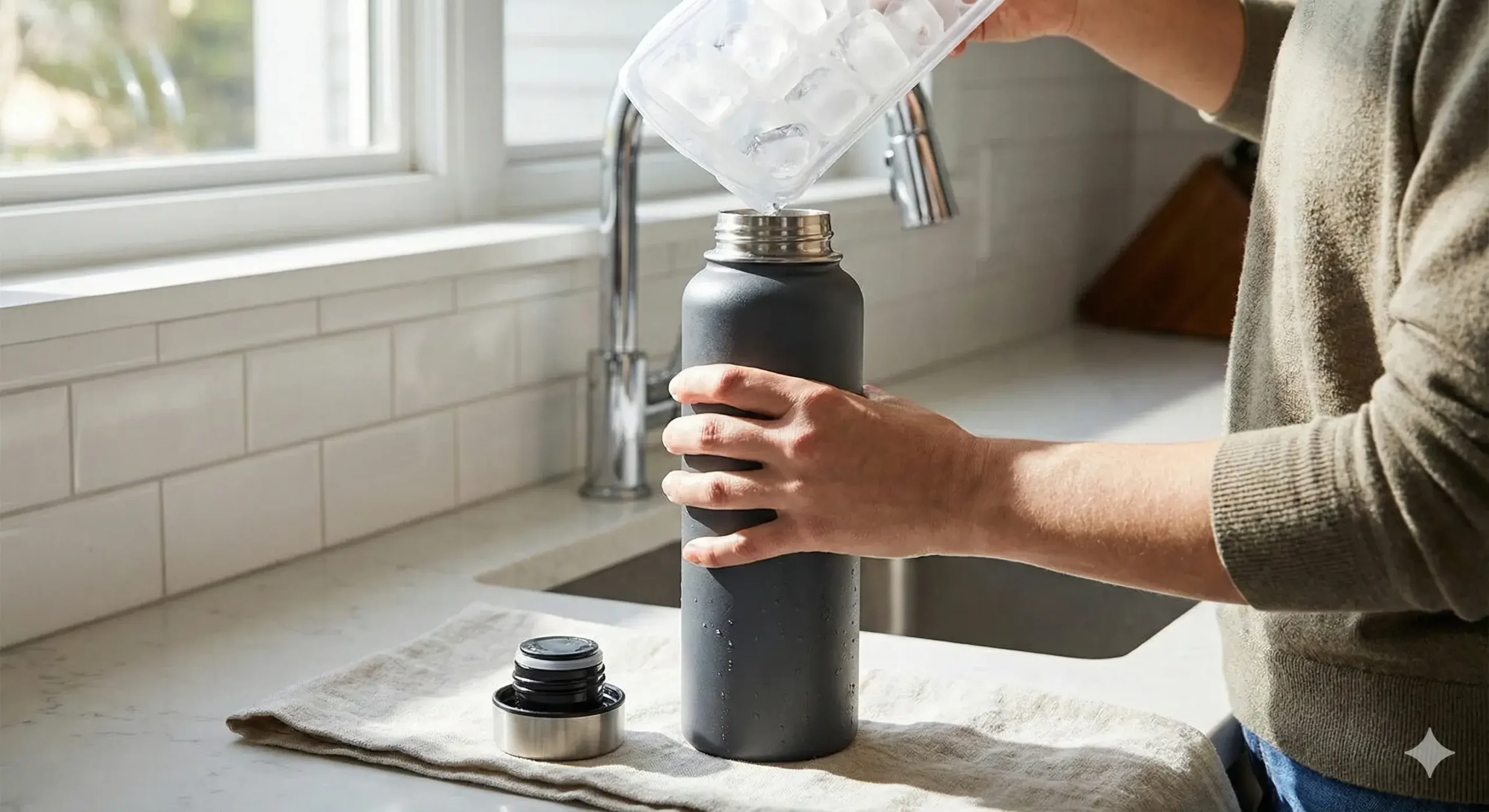
Pre-chill your bottle, limit air exposure, and use ice for longer-lasting cold water in summer.
Quick Tips
- Chill bottle in freezer before filling.
- Add ice cubes through a wide mouth.
- Don't open it often.
- Wash regularly to avoid odors and mold.
For stubborn odors or mold, use vinegar and baking soda cleaning methods5 to keep your bottle fresh.
Market Trends on Summer Hydration and Water Bottle Preferences
Consumers are getting smarter about hydration—and it shows in the numbers.
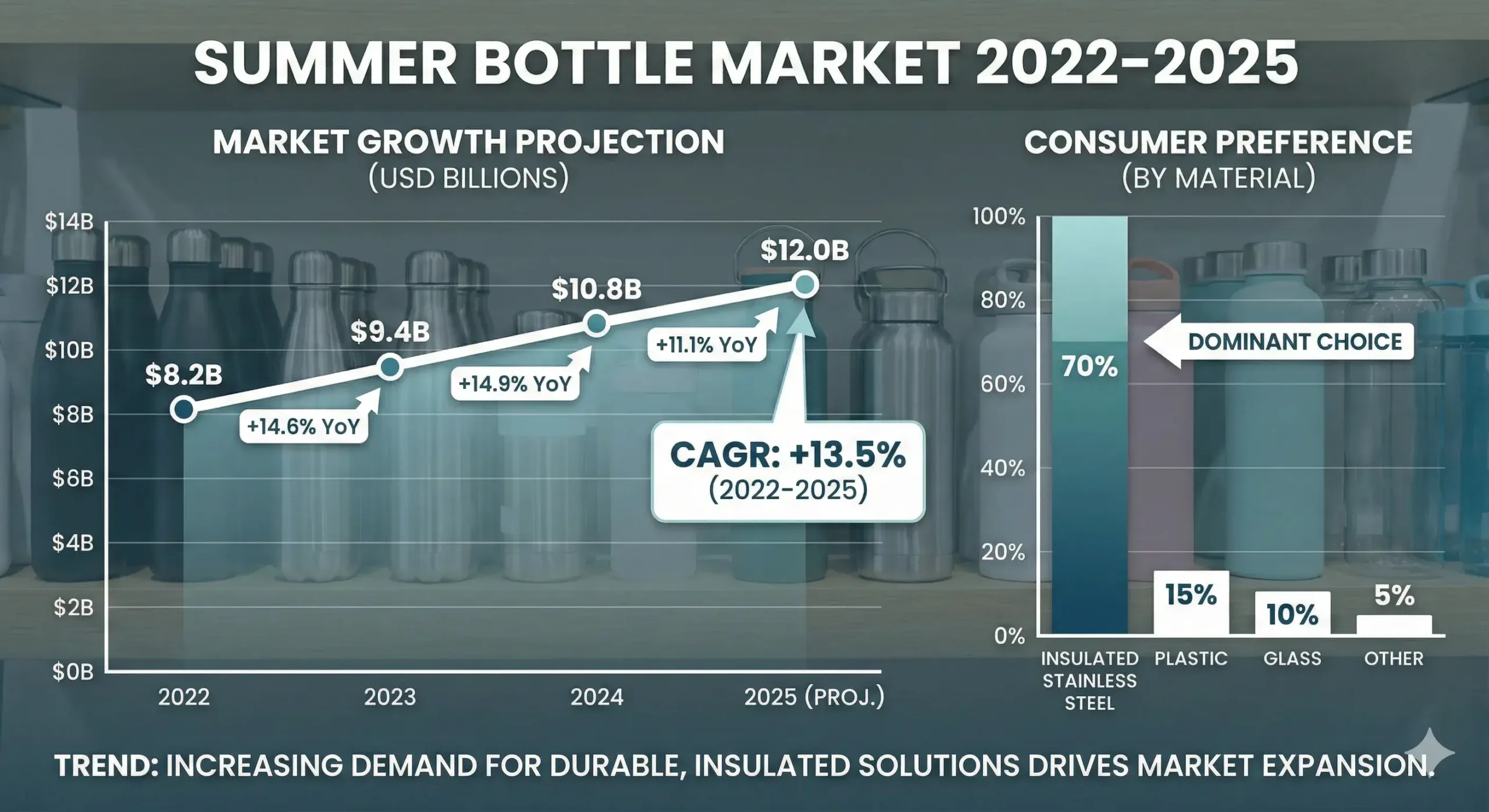
Stainless steel bottles are leading the summer market due to health awareness and rising temperatures worldwide.
Stats at a Glance
| Metric | Value | Year |
|---|---|---|
| Global water bottle market size6 | $8.2 billion | 2022 |
| Projected growth CAGR | 4.5% (2023–2032) | Forecast |
| Leading summer bottle material | Stainless steel | 2025 |
| Consumer preference | 70% prefer insulated steel | 2024 (survey) |
Frequently Asked Questions About Water Bottles in Summer
Q1: What is the best material for a water bottle in summer?
A1: Stainless steel with double-wall vacuum insulation technology7 is best for keeping water cold all day long.
Q2: How long can an insulated bottle keep water cold?
A2: High-quality models can keep water cold for 12–24 hours, depending on capacity and usage.
Q3: Are plastic bottles safe for summer use?
A3: They're lightweight but prone to leaching chemicals when exposed to heat. Insulation is poor.
Q4: Can glass bottles keep water cold in summer?
A4: Somewhat—with a sleeve, glass can insulate for 2–4 hours, but it's fragile and heavy for outdoors.
Q5: How do I maintain my bottle's cooling performance?
A5: Pre-chill it, add ice, clean regularly, and avoid frequent opening to keep cold longer.
Conclusion
In the heat of summer, your water bottle isn't just a container—it's your hydration lifeline. Stainless steel bottles with double-wall insulation are the clear winners for long-lasting cold, safe drinking, and sustainability. Choose the right size, treat it right, and it will keep your water icy and refreshing all day long—no matter how high the sun climbs.
-
IU Health explains how proper hydration during summer helps regulate body temperature, supports physical performance, and prevents heat-related illnesses like heat exhaustion and heatstroke. Learn about the critical signs of dehydration and why drinking cold water matters. ↩
-
Ocean Bottle provides a detailed scientific explanation of how double-wall vacuum insulation works. The vacuum between two steel walls eliminates air molecules needed for heat transfer, keeping beverages cold for up to 24 hours or hot for 12 hours. ↩
-
One Green Bottle explains how to verify your stainless steel bottle is toxin-free. Look for food-grade 18/8 (304) stainless steel, which is durable, non-reactive, and certified safe for food and beverage contact without harmful chemical leaching. ↩
-
National Geographic reports on scientific research from Arizona State University showing how heat accelerates chemical release from plastic bottles. Learn why storing plastic water bottles in hot cars or direct sunlight may pose health risks over time. ↩
-
Elephant Box provides comprehensive cleaning instructions for stainless steel bottles. Baking soda removes odors with its antimicrobial properties, while white vinegar disinfects and eliminates mold—both are non-toxic, natural solutions for maintaining bottle hygiene. ↩
-
Global Market Insights industry report shows the water bottle market reached $8.2 billion in 2022, with projected 4.5% annual growth through 2032. The report highlights increasing health awareness and demand for insulated stainless steel options as key market drivers. ↩
-
Charcharms comparison review details how both Stanley and Hydro Flask use double-wall vacuum insulation technology. Both brands promise to keep drinks cold for up to 24 hours and hot for up to 12 hours, with slight performance differences in real-world testing. ↩