English
 Arabic
 Chinese (Simplified)
 Dutch
Dutch French
 German
 Italian
 Japanese
 Korean
 Portuguese
 Russian
 Spanish
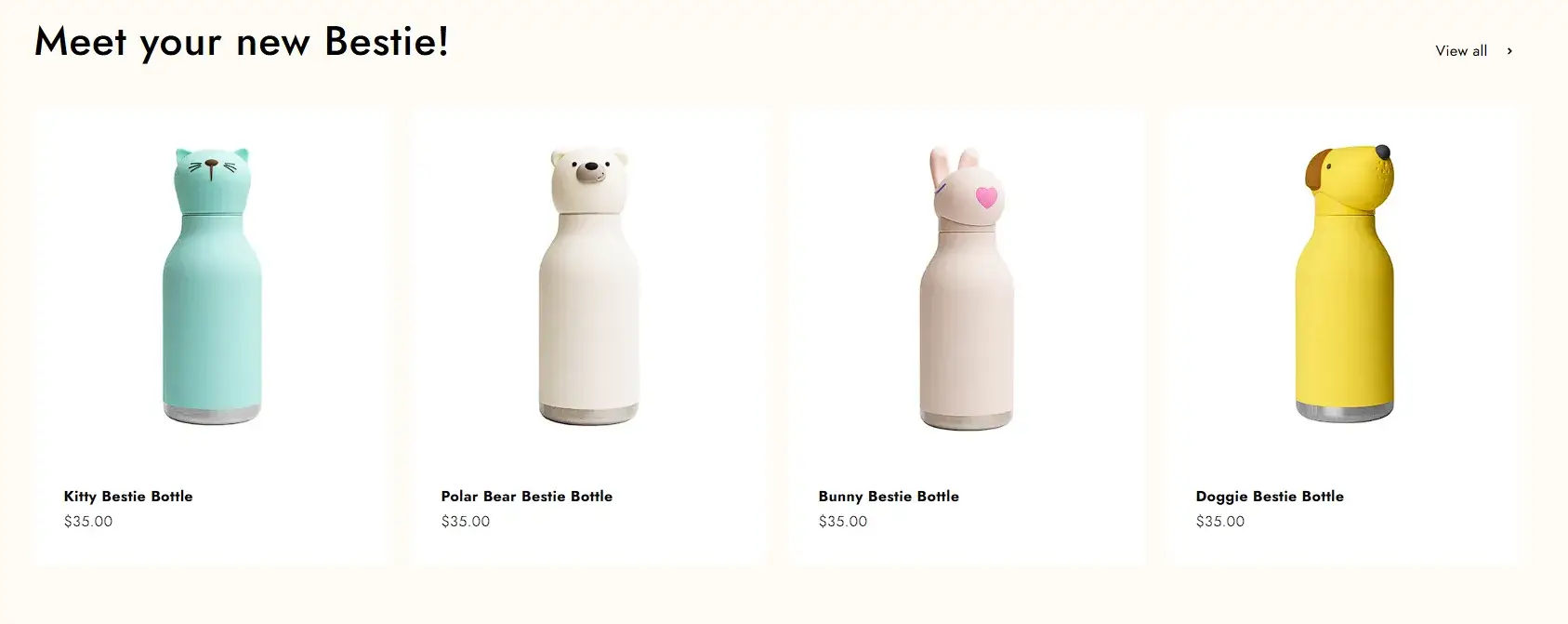
People aren't just buying Asobu water bottles—they're collecting them. So what's behind this rise from niche brand to lifestyle must-have?
Asobu water bottles are popular for their playful designs, triple-insulated stainless steel construction, ceramic-lined interiors, and everyday usability that combines durability, eco-safety, and aesthetics.
Let's unpack why these bottles stand out and whether they're worth the growing buzz in homes, gyms, schools, and offices.
What Makes Asobu Water Bottles Different from the Competition?
Most water bottles keep drinks cold or hot, but Asobu offers something more: experience, emotion, and smart design.
Asobu bottles combine triple-wall insulation with ceramic interiors, BPA-free construction, and kid- and pet-friendly features not commonly found in other brands.
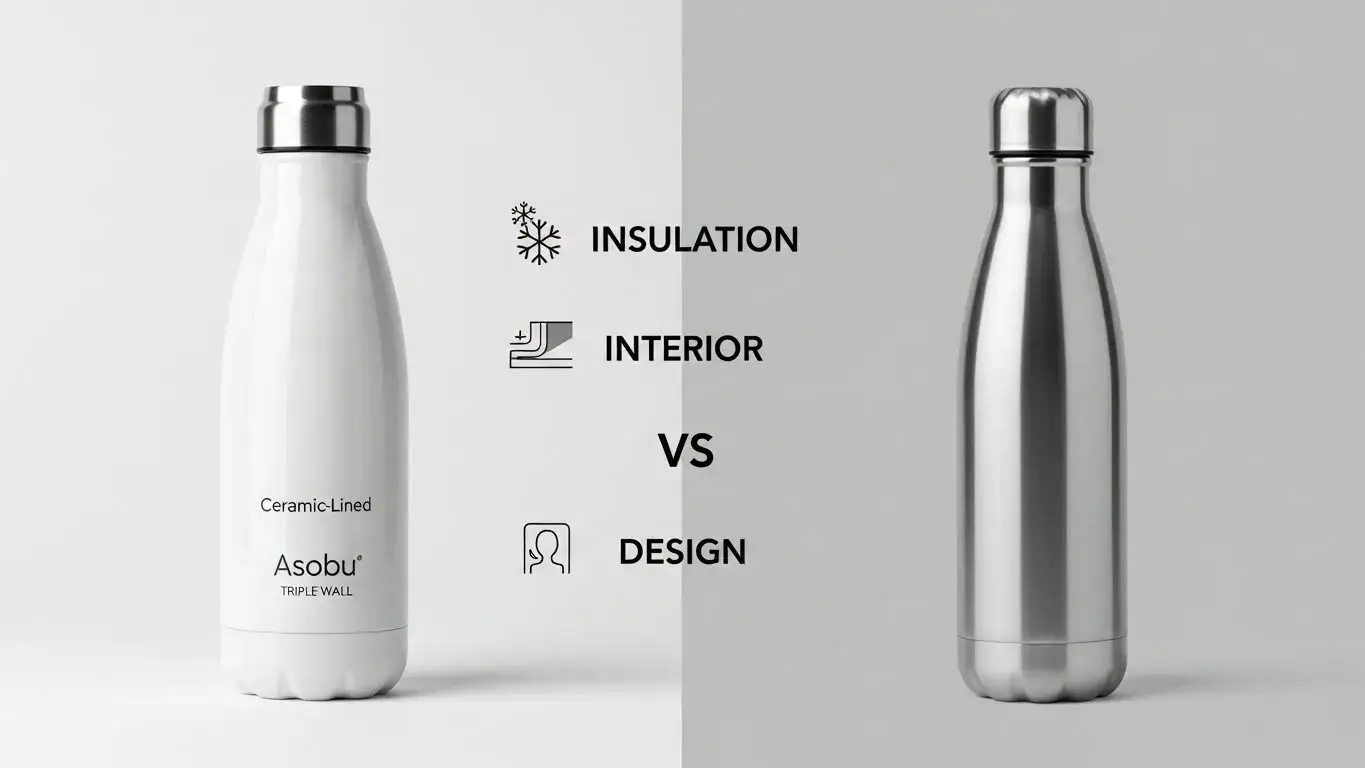
Key Differences at a Glance
| Feature | Asobu Bottles | Typical Competitors |
|---|---|---|
| Insulation | Triple-wall + copper lining1 | Double-wall vacuum |
| Interior Taste | Ceramic-lined (no metal taste) | Bare stainless or plastic |
| Designs | Kid, pet, and travel lines | Mostly standard |
| Eco-Safety | BPA-free, recyclable parts | Varies by brand |
| Accessories | Built-in bowls, straws, slings | Minimal |
Unlike more utilitarian designs, Asobu leans into personality. Their Bestie line includes animal-shaped lids that appeal to kids. Their Buddy bottle has a detachable bowl for dogs. And the Metro line is slim enough to fit work bags—without leaking.
That kind of thoughtful, user-specific engineering is rare. Other brands focus heavily on insulation or ruggedness, but Asobu brings character and convenience together.
How Do Asobu Bottles Perform in Real Life—Hot, Cold, and Everything In Between?
Great marketing aside, do they actually perform?
Asobu bottles keep drinks cold for up to 24 hours and hot for 12, according to user tests, with minimal exterior sweating and strong lid sealing.
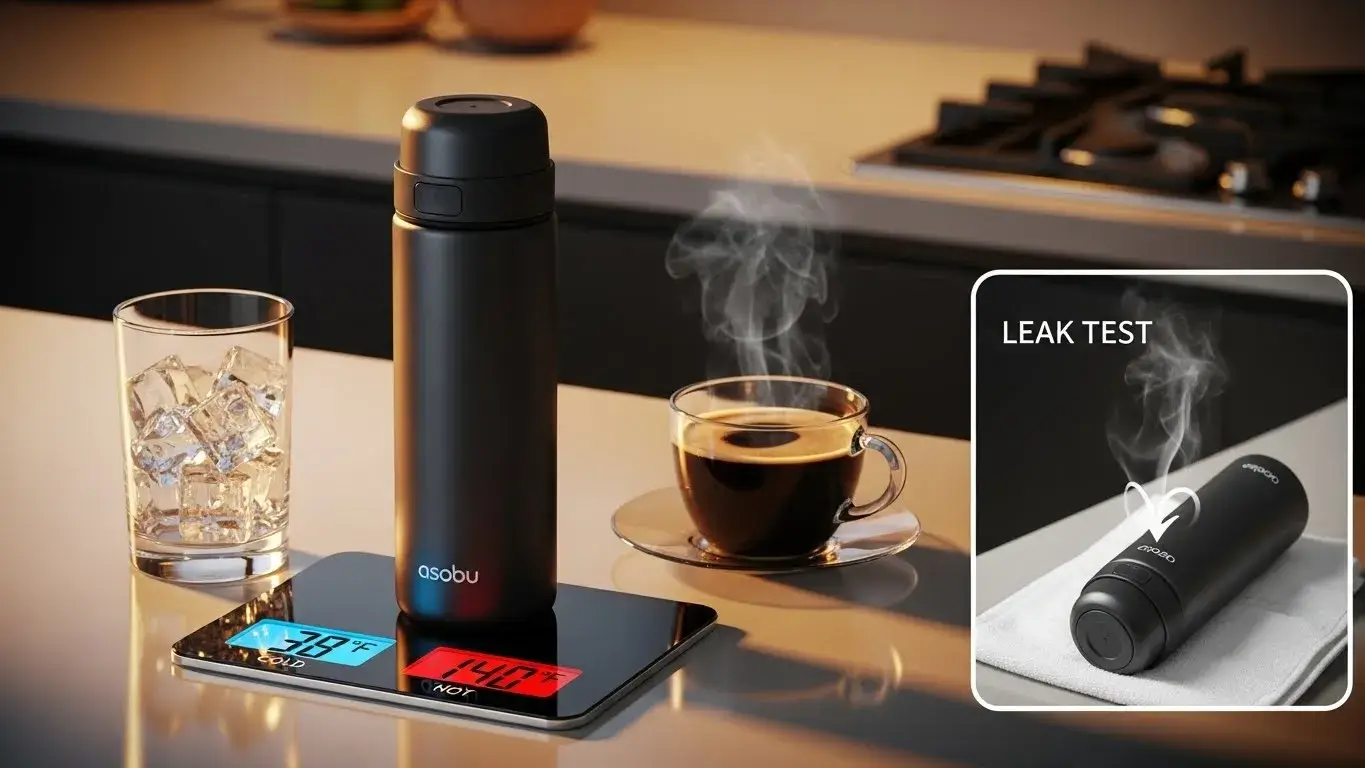
Real-World Performance
Based on Reddit posts, X user reviews, and informal tests:
- Cold Retention: Ice water remained at 38°F after 20 hours
- Hot Retention: Coffee stayed drinkable (140°F+) after 12 hours
- Leak Test: Sealed bottle held upside down for 5 minutes—no drips
- Odor Test: Ceramic lining left no smell after rinsing black tea
Some users even report that their Asobu bottles outperform Hydro Flask in warm conditions due to the added copper lining inside the vacuum layer2. The ceramic interior3 also avoids the metallic taste common in aluminum or uncoated stainless steel.
From long school days to 10-hour hikes, these bottles hold up.
Are Asobu Bottles Truly Eco-Friendly and Safe for Everyday Use?
Sustainability matters. So does safety—especially for kids and commuters.
Asobu bottles are BPA-free, phthalate-free, made of food-grade stainless steel4, and feature recyclable or reusable parts.
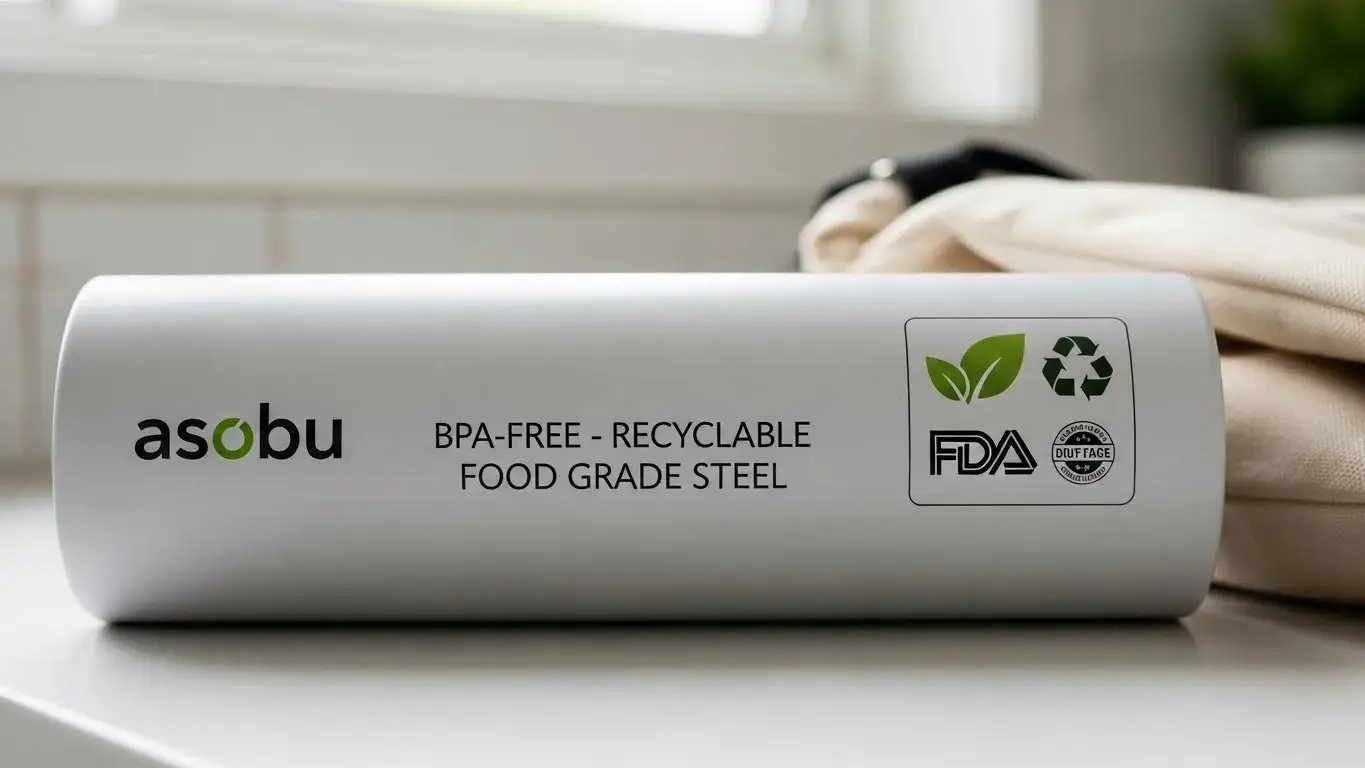
Eco and Safety Features
- Stainless Steel Core: Recycled 18/8 food-grade5
- Lids and Grips: Silicone or BPA-free plastic
- No Leaching: Ceramic coating blocks chemical taste or residue
- Certifications: FDA-compliant and NSF-verified
- Waste Impact: One bottle replaces 300–500 plastic bottles per year6
While most of the bottle is recyclable, rubber components like outer grips may not be. However, some third-party services like TerraCycle accept those parts.
Parents appreciate that even after months of juice or milk, there's no lingering smell. For eco-conscious shoppers, that reusability and reduced waste make it a feel-good purchase.
Why Do Parents and Kids Love the Fun Designs—And Do They Actually Work?
The Bestie bottle isn't just cute—it's functional and fun, especially for kids who struggle to stay hydrated.
Yes—Asobu's kid-focused bottles use animal-themed lids and soft straws that make drinking feel like a game, encouraging more frequent use.
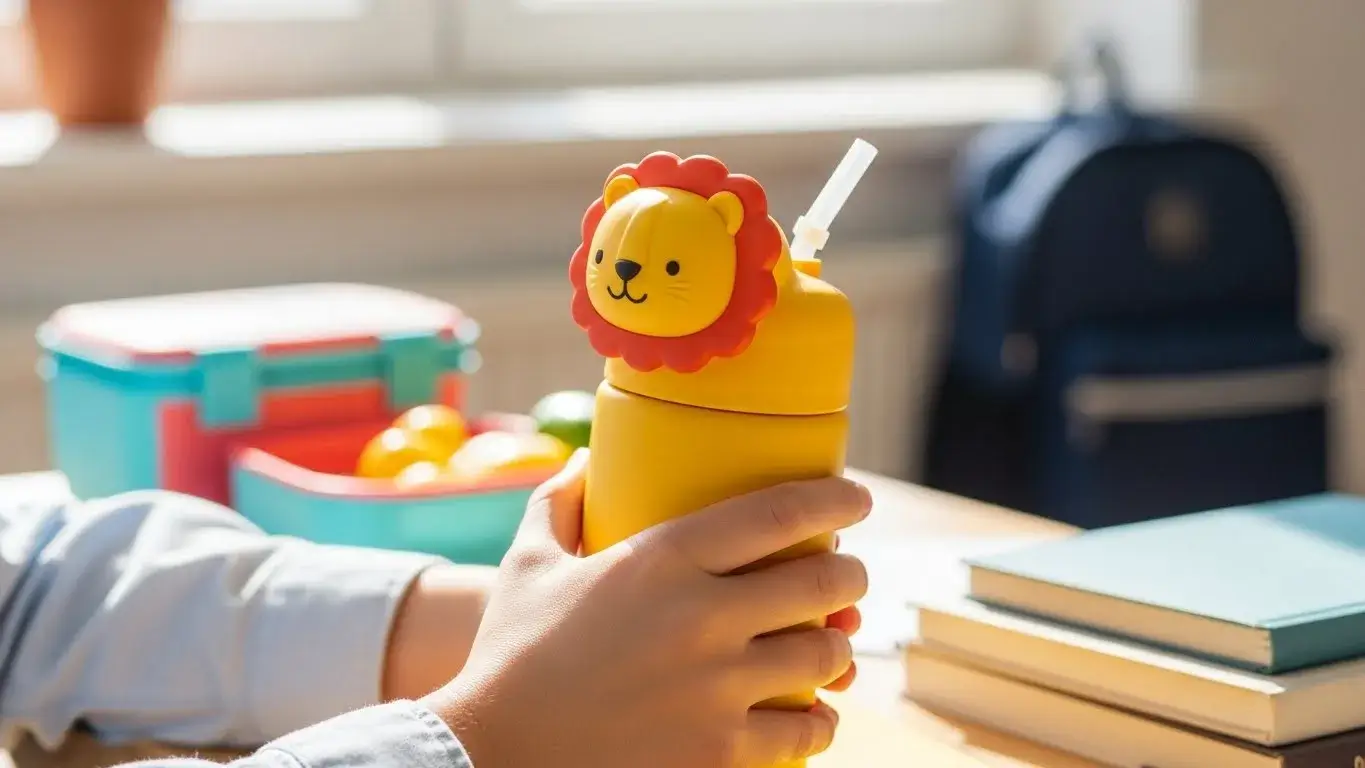
Kid-Friendly Features
- Animal Lids: Sheep, lions, rockets—detachable and easy to clean
- Soft Straws: Gentle on young teeth, spill-resistant
- Lightweight: Just 325g, easy for small hands
- Capacity: 16oz (about 475ml)
- Dishwasher Safe: Top-rack compatible for quick cleanup
Parents on X report their children drinking 50% more water at school when using these bottles. The designs also make it easier to label and identify bottles in group settings, reducing mix-ups.
By gamifying hydration, these bottles create habits that stick—and kids actually want to bring them to school.
What Do Real Users Say? Pros, Cons, and Long-Term Durability.
User reviews help cut through brand claims. And Asobu's community is vocal.
Most users praise Asobu's style, insulation, and portability—though older bottles had lid durability issues that the brand has since addressed.
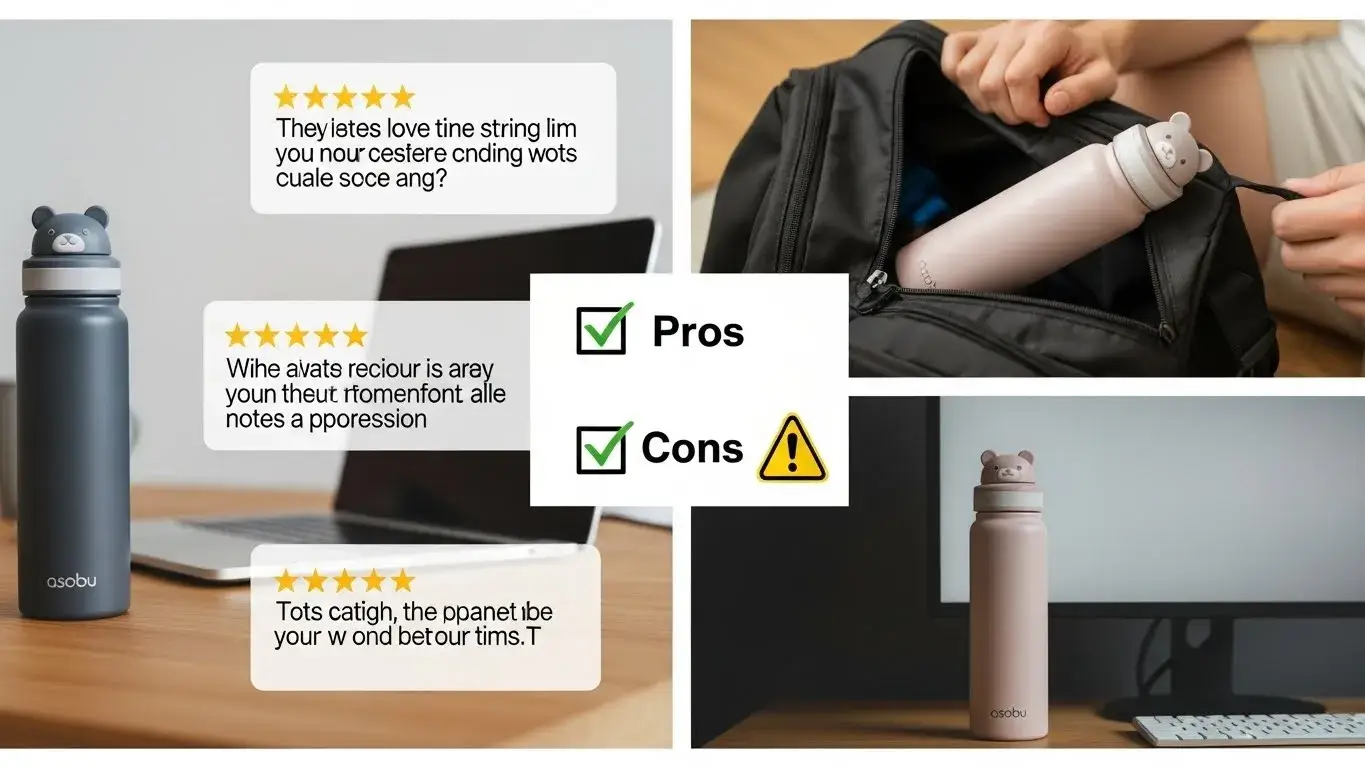
Real Feedback Summary
Pros
- "Keeps ice frozen all day."
- "No metallic aftertaste—finally!"
- "Cute designs my kids don't lose."
- "Feels solid but not heavy."
Cons
- "Old lid snapped after 6 months." (2019–2020 models)
- "Capacity listed as 30oz, but only fills to 28oz due to lid space."
- "Hard to find replacement parts for older models."
Since 2021, Asobu has improved lid quality and added lifetime warranties that cover many defects. Their Amazon average now sits at 4.6 out of 5 from over 15,000 global reviews, which puts them above competitors like Simple Modern and Takeya in the same price range.
How to Choose the Right Asobu Bottle for Your Lifestyle (Without Buyer's Remorse)
With dozens of designs, it's easy to get overwhelmed. So what's right for you?
Match your lifestyle—active, work-from-home, parenting, or travel—to the bottle's form, features, and capacity.
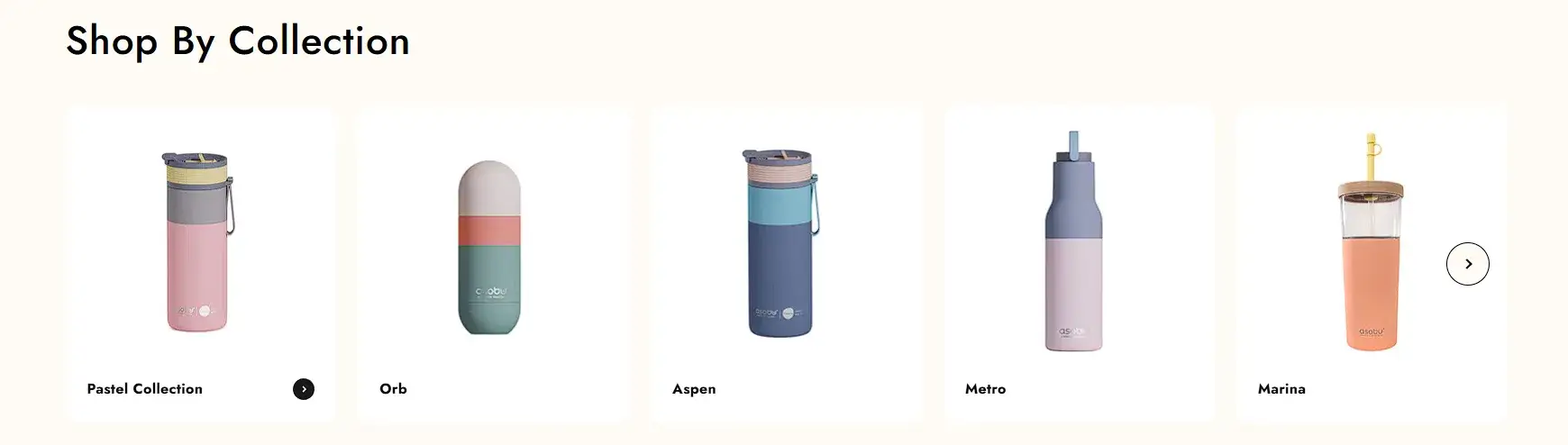
Recommended Picks by Use Case
| Lifestyle | Best Bottle | Key Features |
|---|---|---|
| Gym or Office | Orbit 30oz | Straw lid, easy grip |
| Daily Commute | Metro 20oz | Slim, fits cup holders |
| Kids (School Use) | Bestie 16oz | Animal lid, soft straw, fun colors |
| Pet Owners | Buddy 34oz | Built-in pet bowl, wide-mouth top |
| Travel or Hiking | Super Sippy 25oz | Durable strap, leak-proof spout |
Asobu offers a sizing chart and return-friendly policies when purchased from major retailers like Amazon. Many users buy one for themselves—and go back for a second for family.
Conclusion
Asobu bottles are popular because they balance insulation, design, eco-safety, and user-specific features in a way few brands do.
FAQs
Are Asobu water bottles leak-proof?
Yes. They use silicone-sealed lids with strong threads that prevent spills—even when turned upside down.
How long do Asobu bottles keep drinks cold?
Up to 24 hours. Real-world use shows 20–22 hours cold and 10–12 hours hot.
Are Asobu bottles good for kids?
Absolutely. The Bestie line is built for fun, safe hydration, with flexible straws and easy-clean lids.
What is the warranty on Asobu water bottles?
Asobu offers a lifetime warranty covering manufacturer defects. It doesn't cover accidental drops or misuse.
Can you put hot drinks in Asobu bottles?
Yes. They handle hot beverages up to 200°F, and ceramic interiors prevent metallic aftertastes.
Do Asobu bottles fit in cup holders?
Most models do. The Metro and Orbit lines are designed with standard car cup sizes in mind.
Are Asobu bottles dishwasher safe?
The bottles are hand-wash recommended, but kid versions and lids can go on the top rack safely.
Do Asobu bottles have a metallic taste?
No. The ceramic-lined interior prevents metallic aftertaste7—even after long hours with coffee or tea.
Is Asobu better than Hydro Flask?
They're comparable in insulation but Asobu is more affordable and family-focused; Hydro Flask is more rugged and outdoorsy.
Are replacement lids available?
Yes, through Asobu's official website and major retailers like Amazon.
Footnotes
-
BottlePro provides an in-depth technical comparison of triple-layer versus dual-wall insulation technology, including real-world insulation tests that demonstrate how triple-wall construction with copper lining can enhance temperature retention performance. ↩
-
Greens Steel explains the science behind copper insulation technology, describing how copper's superior heat conductivity properties respond to beverage temperature, holding it steady for longer by trapping external heat within the copper layer sandwiched between double walls. ↩
-
Shop Naturally explains how ceramic-lined water bottles bridge the gap between glass and stainless steel, offering the clean taste benefits of glass without the fragility, while the ceramic coating prevents any metallic taste from transferring to beverages. ↩
-
One Green Bottle provides comprehensive guidance on ensuring stainless steel water bottles are toxin-free, explaining how to identify food-grade 18/8 stainless steel, BPA-free components, and proper safety certifications like FDA and LFGB compliance. ↩
-
MightyNest explains that 18/8 stainless steel (also known as 304 grade) contains 18% chromium and 8% nickel, making it highly resistant to corrosion and safe for food and beverage contact—the preferred material for quality water bottles. ↩
-
Beyond Plastics documents that individuals using reusable water bottles can reduce consumption of more than 250 plastic water bottles per person per year, significantly reducing plastic waste that would otherwise end up in landfills or oceans. ↩
-
Cupique explains how ceramic coating creates a non-reactive barrier between beverages and stainless steel, completely eliminating metallic taste while maintaining all the benefits of stainless steel construction—particularly important for acidic drinks like coffee or juice. ↩