English
 Arabic
 Chinese (Simplified)
 Dutch
Dutch French
 German
 Italian
 Japanese
 Korean
 Portuguese
 Russian
 Spanish
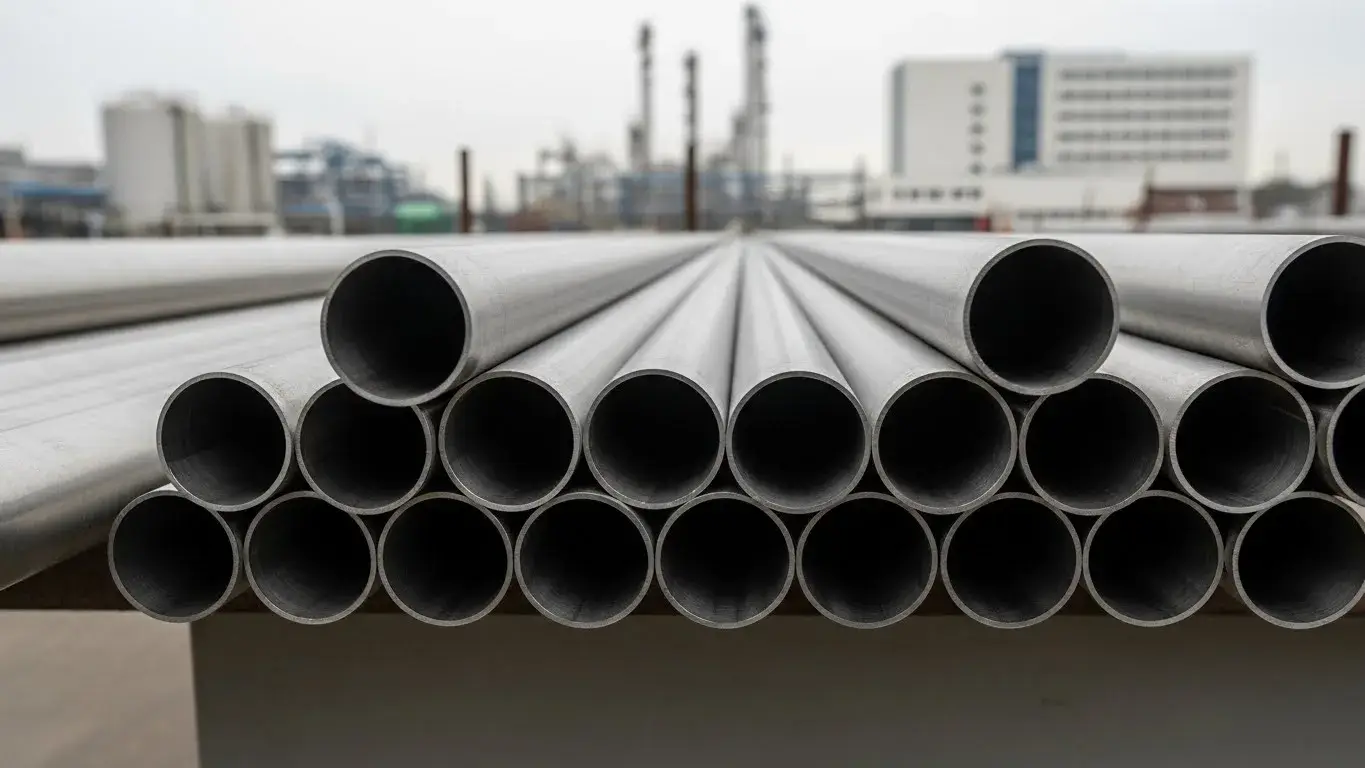
Choosing the wrong tubing leads to corrosion, contamination, and costly downtime—especially in demanding industries.
304 stainless steel tubing is highly corrosion-resistant, durable, hygienic, and cost-effective, making it ideal across food, chemical, medical, and industrial sectors.
Discover why 304 stainless steel tubing remains the top choice for reliability, safety, and long-term value.
What Is 304 Stainless Steel Tubing?
Uncertainty about tubing materials can cause performance failures and safety risks. Here's what makes 304 steel stand out.
304 stainless steel tubing is an austenitic alloy containing around 18% chromium and 8% nickel1, known for strength, corrosion resistance, and cleanability.
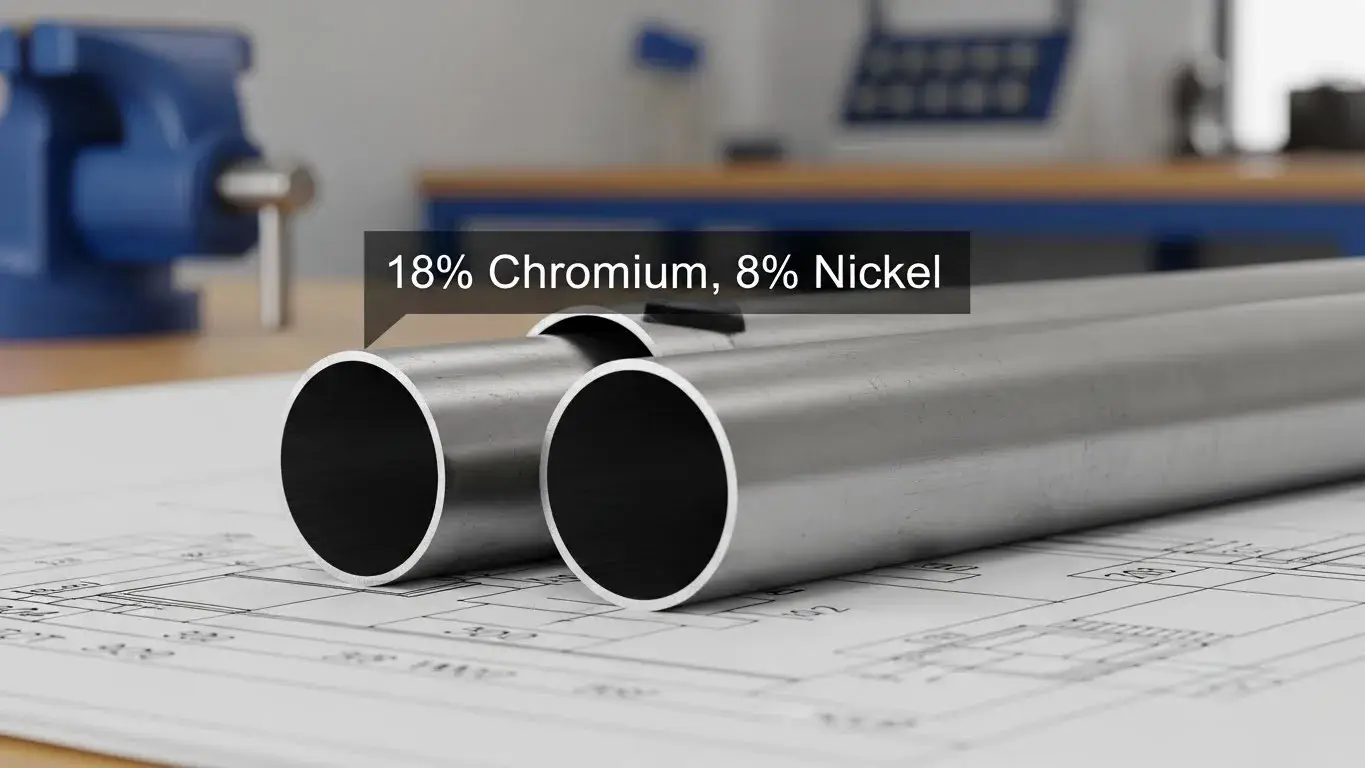
Overview of the Alloy
This tubing is non-magnetic2 and performs well in environments exposed to moisture, heat, and chemicals. It's the go-to solution in industries requiring sanitary surfaces and reliable mechanical performance—without breaking the bank.
What Are the Key Properties of 304 Stainless Steel Tubing?
Doubt about durability and maintenance needs? These core properties provide peace of mind.
304 stainless steel tubing is corrosion-resistant, strong, easy to clean, and formable—making it ideal for high-performance applications.
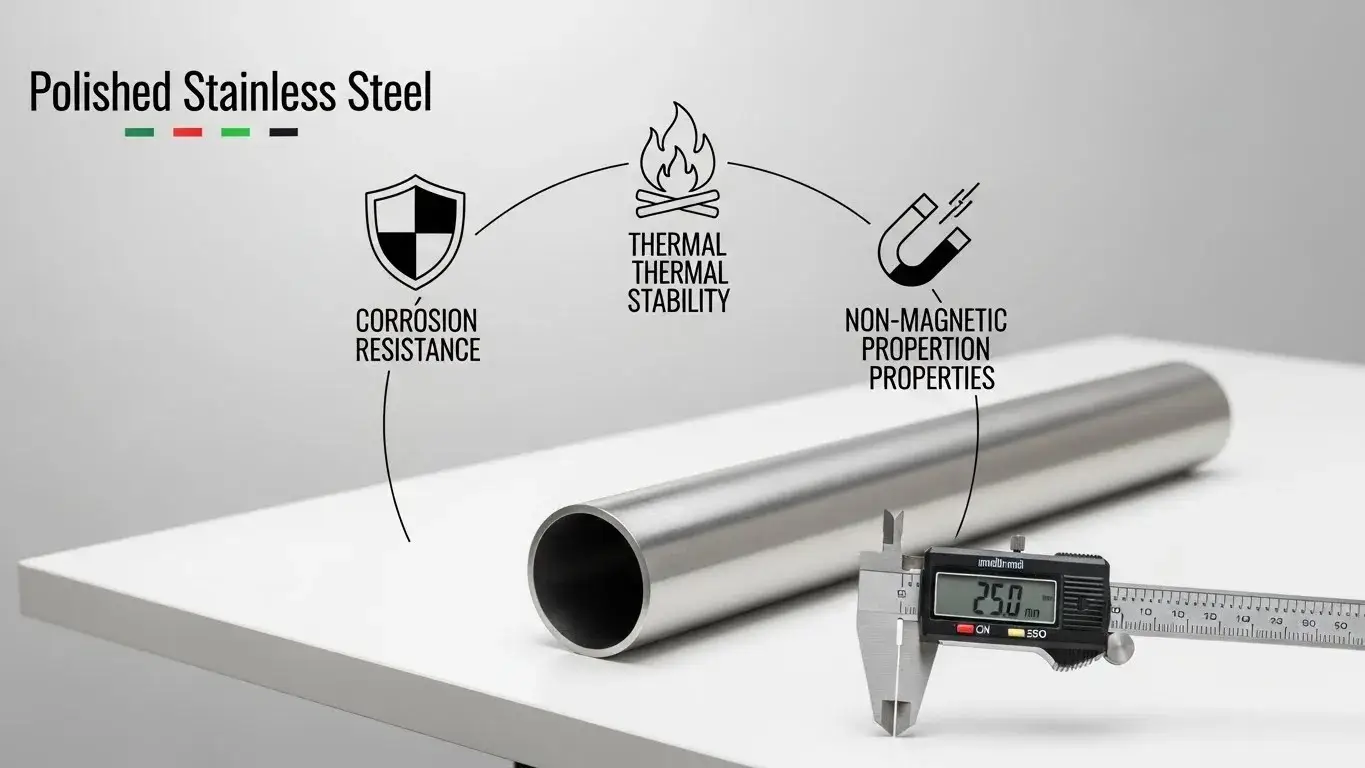
Core Technical Properties
- Corrosion Resistance – Withstands exposure to acids, moisture, and chemicals
- Durability – Handles pressure, impact, and temperature without cracking
- Fabrication Ease – Weldable and formable with common techniques
- Non-magnetic – Suitable for sensitive electronic or medical environments
- Thermal Stability – Maintains shape and strength under heat
Its reliability has earned it a central role in sanitation-focused industries like food processing and pharmaceuticals.
What Are the Benefits of Using 304 Stainless Steel Tubing?
Struggling with maintenance costs or reliability issues? This tubing addresses all of that.
304 stainless steel tubing offers long-term corrosion resistance, strength, minimal maintenance, and versatility across applications, reducing overall costs.
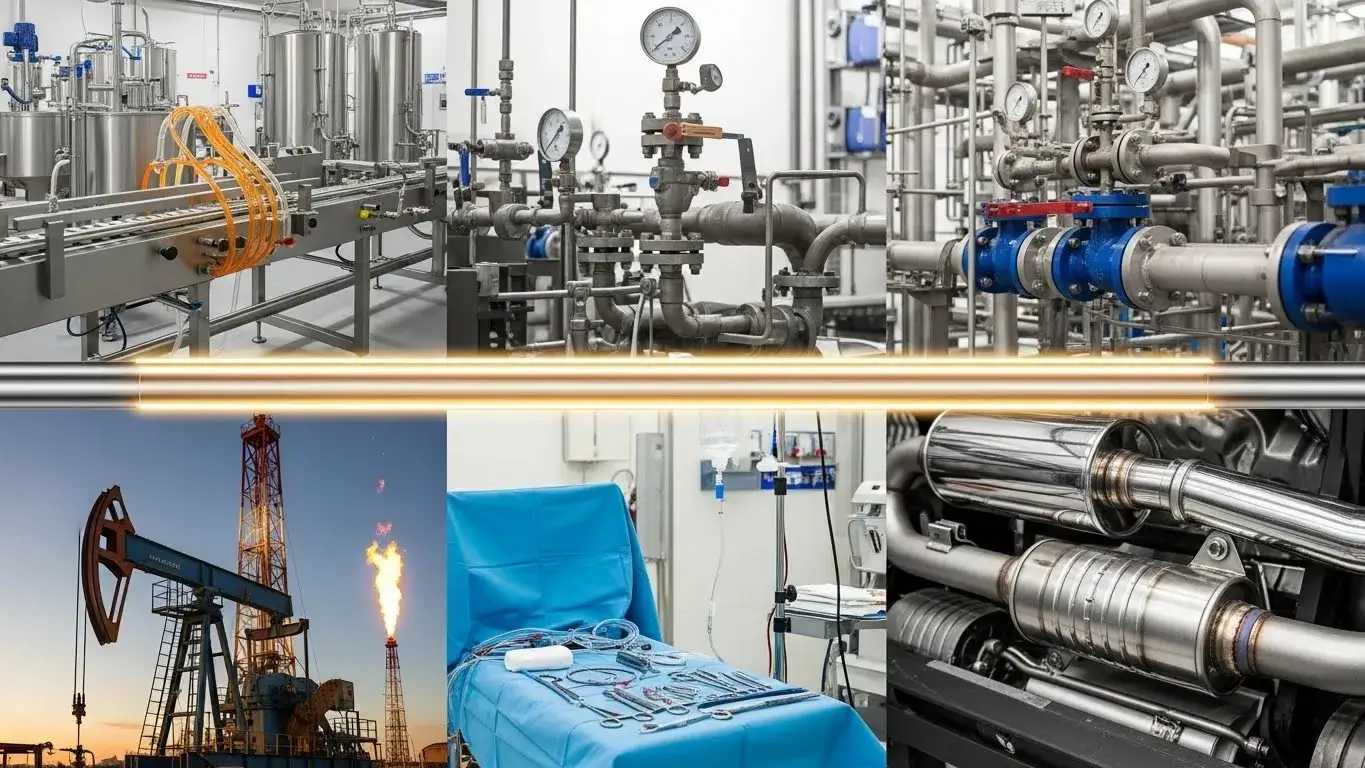
Key Advantages
1. Corrosion Resistance
304 resists a wide range of corrosive agents—acids, alkalis, and chlorides3—making it essential for chemical, medical, and marine uses.
2. Durability and Strength
It withstands high pressure and extreme environments, commonly used in oil pipelines4, structural frameworks, and processing equipment.
3. Easy Maintenance
Its smooth surface resists bacterial growth and is easy to sanitize. No special coatings or upkeep needed.
4. Versatility Across Industries
From automotive to food-grade use, 304 tubing meets multiple regulatory and mechanical requirements5. It's also aesthetically clean for visible installations.
5. Cost-Effectiveness Over Time
Despite a higher upfront cost, 304's long life, low maintenance, and full recyclability6 lower its total cost of ownership.
Where Is 304 Stainless Steel Tubing Commonly Used?
Not sure if it fits your industry? Here's where it's already proven.
304 stainless steel tubing is widely used in construction, food and beverage, chemicals, oil and gas, medical equipment, and automotive components.
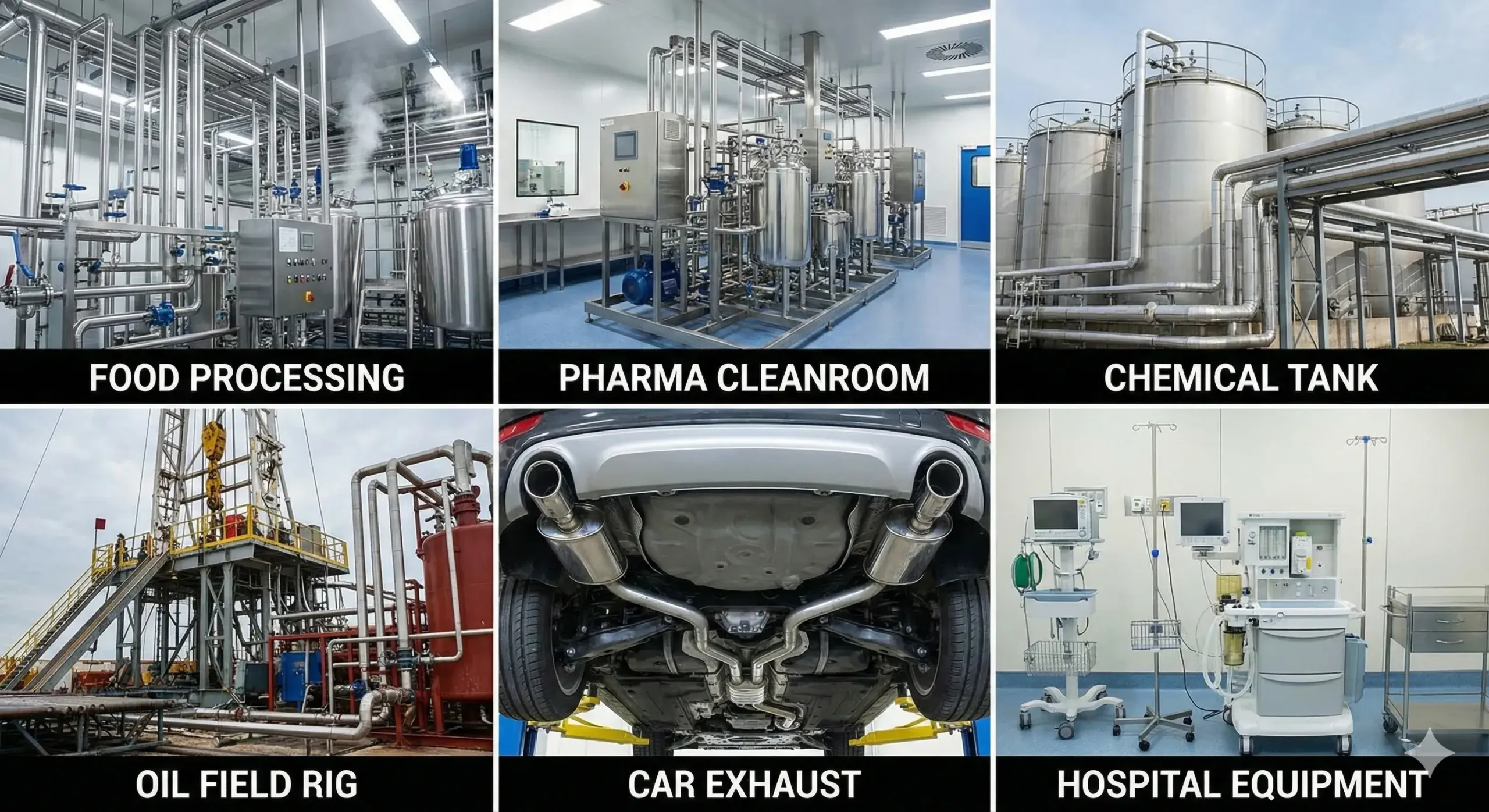
Common Application Areas
- Food Processing & Beverage – Hygienic, easy to clean
- Pharmaceutical Manufacturing – Meets sanitary compliance
- Chemical Handling – Resistant to acids and solvents
- Oil & Gas Transport – Durable under high pressure
- Architecture & Infrastructure – Strong, sleek, corrosion-resistant
- Medical & Automotive Components – Biocompatible and durable
How Does 304 Stainless Steel Tubing Compare to Other Materials?
Wondering if it's better than carbon steel or aluminum?
304 tubing outperforms carbon steel and aluminum in corrosion resistance, strength, and maintenance, despite higher upfront cost.
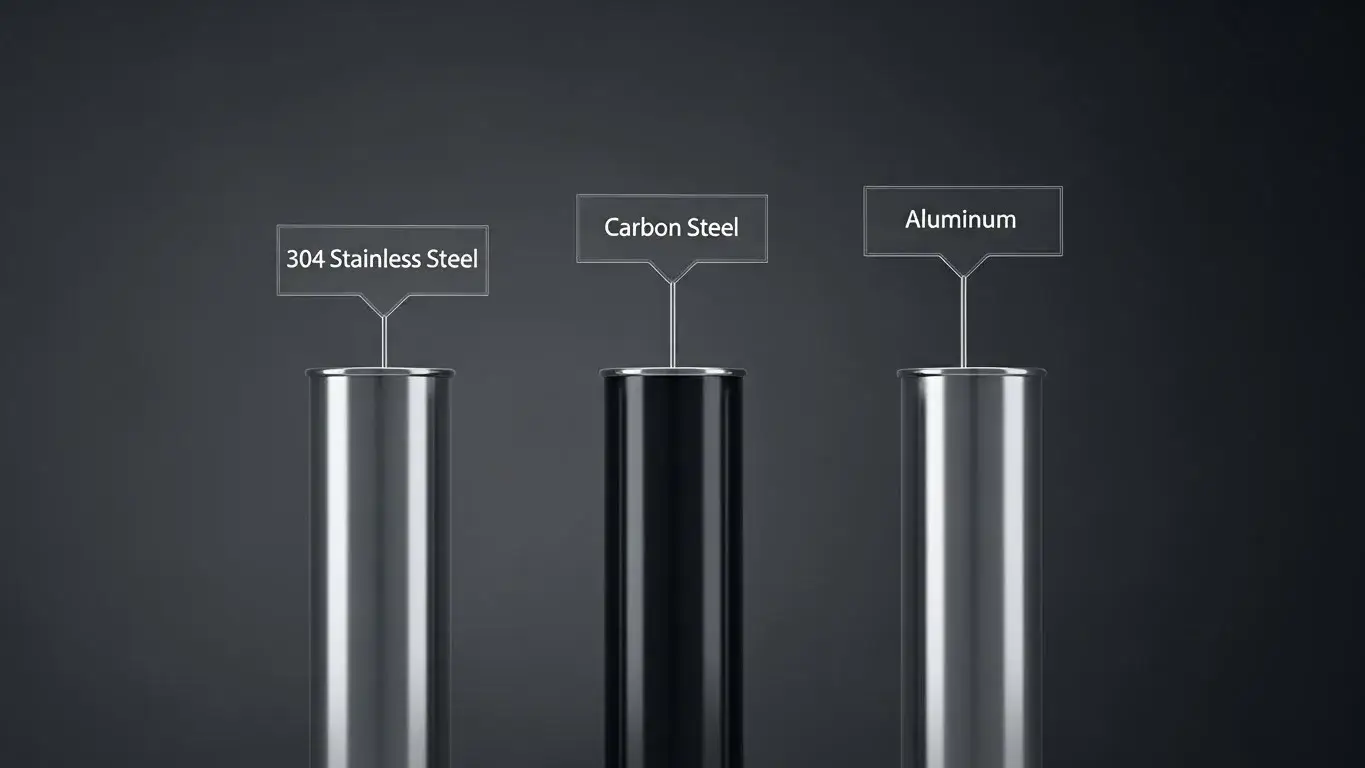
Material Comparison Table
| Feature | 304 Stainless Steel | Carbon Steel | Aluminum |
|---|---|---|---|
| Corrosion Resistance | Excellent | Poor | Moderate |
| Durability | High | Moderate | Lower |
| Maintenance | Low | High | Moderate |
| Cost | Higher | Lower | Moderate |
| Weight | Moderate | Heavier | Lightweight |
| Weldability | Excellent | Good | Good |
Use carbon steel only if cost is the sole concern. Choose 304 for reliability, hygiene, and durability.
What Are the Market Trends for 304 Stainless Steel Tubing?
Planning ahead for bulk sourcing? Market data gives important insight.
The 304 stainless steel tubing market7 is valued at $12.5 billion in 2024 and expected to reach $18.8 billion by 2033, growing at 5.7% CAGR.

Industry Overview
- Demand Drivers: Construction, food safety, and chemical durability
- Global Production: Over 53 million metric tons of stainless steel by 2026
- Regional Focus: Asia-Pacific, North America, and Europe
- OEM Trends: Rise in custom-sized and laser-welded tubing for specialized applications
304 remains the most produced and consumed stainless steel grade8 due to its universal balance of properties.
Conclusion
304 stainless steel tubing delivers unmatched corrosion resistance, strength, and hygiene, making it the best long-term solution across industries.
FAQs
Why is 304 stainless steel tubing preferred over other grades?
It balances corrosion resistance, strength, and cost—making it versatile for most general-purpose and sanitary applications.
Is 304 stainless steel tubing safe for food and pharmaceuticals?
Yes. Its hygienic surface, ease of cleaning, and compliance with food safety standards make it ideal for these industries.
Can 304 stainless steel tubing handle high temperatures?
Yes. It performs well under thermal stress, making it suitable for heat exchangers and industrial equipment.
Is 304 tubing cost-effective compared to carbon steel?
Though the upfront cost is higher, its durability, low maintenance, and long life make it more economical over time.
How should I maintain 304 stainless steel tubing?
Clean it regularly with mild detergent. Avoid abrasives and high-chloride cleaners to preserve the surface integrity.
Footnotes
-
Wikipedia provides comprehensive technical information on SAE 304 stainless steel, including its composition of 18-20% chromium and 8-10.5% nickel, its development history by W.H. Hatfield at Firth Brown in 1924, and its designation as the most common stainless steel alloy worldwide. ↩
-
Wikipedia explains that austenitic stainless steels are essentially non-magnetic due to their face-centered cubic (FCC) crystalline structure, achieved by adding austenite-stabilizing elements such as nickel, manganese, and nitrogen. ↩
-
Commercial Industrial Supply provides detailed chemical compatibility data for 304 stainless steel, explaining its resistance to organic acids, oxidation, and various chemicals, while noting potential vulnerabilities to chlorides and certain strong acids. ↩
-
Grand View Research provides comprehensive market analysis on the steel pipes and tubes industry, documenting applications across oil & gas, construction, petrochemicals, and other sectors with market size projections and regional consumption data. ↩
-
Steel & O'Brien explains how sanitary tubing meets compliance with regulatory standards including 3-A Sanitary Standards, ASME BPE, and FDA requirements for food, beverage, and pharmaceutical processing applications. ↩
-
The Specialty Steel Industry of North America (SSINA) documents that stainless steel is 100% recyclable into the same product with no reduction in quality, making it one of the most environmentally friendly metals for sustainable construction and manufacturing. ↩
-
Market Growth Reports provides current market intelligence showing the global stainless steel tubing market valued at USD 3.88 billion in 2024, with projected growth to USD 5.79 billion by 2033 at a 5.13% CAGR. ↩
-
ThyssenKrupp Materials confirms that Type 304 is the most versatile and widely used stainless steel grade globally, often referred to as 18/8 due to its nominal composition, and is the dominant grade for applications like sinks, saucepans, and industrial equipment. ↩