English
 Arabic
 Chinese (Simplified)
 Dutch
Dutch French
 German
 Italian
 Japanese
 Korean
 Portuguese
 Russian
 Spanish
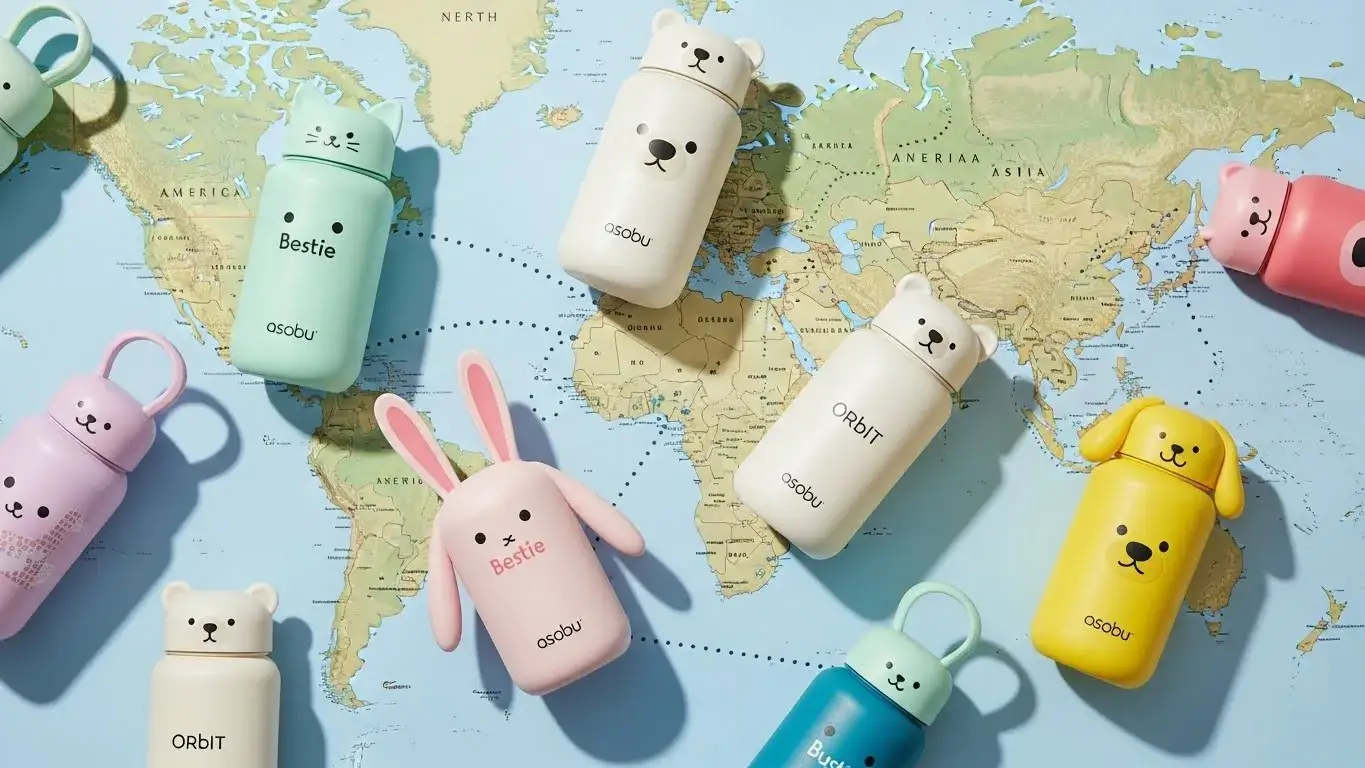
You've seen Asobu bottles online, in gyms, and on kids' backpacks—but do you really know where this brand came from?
Asobu began as a Canadian family venture and evolved into a global drinkware leader by blending playful design, eco-innovation, and strategic digital growth.
Let's explore how this brand went from corporate gifting to millions of fans worldwide.
What Sparked Asobu's Beginnings as a Family Dream?
Many assume Asobu is just another drinkware label, but its roots go deeper than sleek tumblers and fun lids.
Asobu was born in the late 1990s as a division of Ad-N-Art1, a Canadian gifting firm led by a close-knit family and an Israeli entrepreneur, who pivoted into drinkware as wellness trends took off.
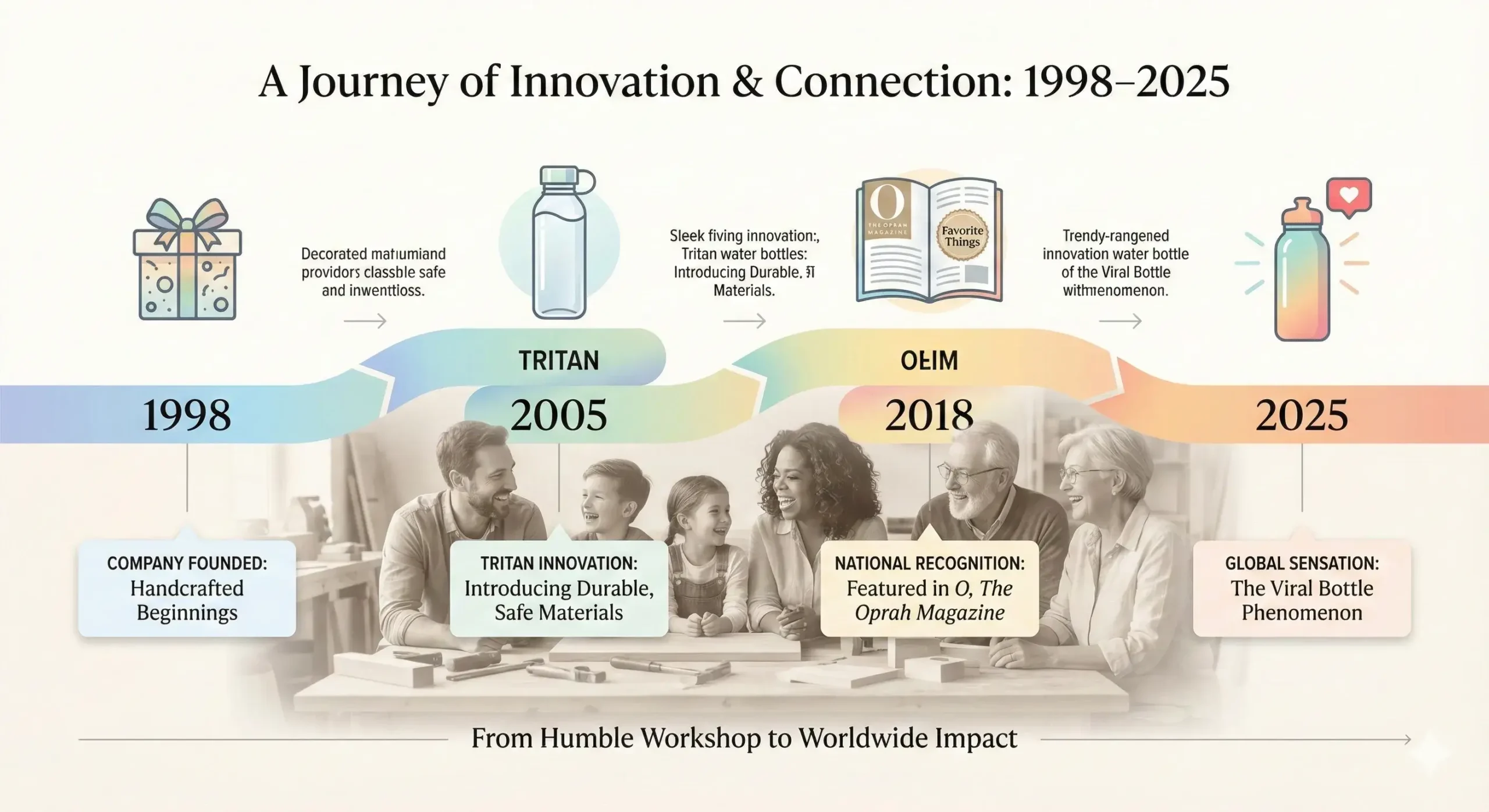
Timeline Snapshot
| Year | Milestone |
|---|---|
| 1998 | Asobu line launched under Ad-N-Art |
| 2005 | First BPA-free Tritan bottle in Canada |
| 2010 | Retail expansion beyond corporate gifting |
| 2018 | Oprah's feature boosts U.S. visibility |
| 2020 | Digital sales pivot accelerates global reach |
| 2025 | 50+ countries, Bestie and Buddy lines go viral |
The idea began when the founders noticed a gap: water bottles were either boring or bulky. Their solution—products that combined functionality with visual joy. A tea infuser with a color-pop lid turned into a collection, and by 2018, Oprah had featured them for sustainability.
The rest followed naturally.
How Did Asobu Turn Fun Designs into Global Sales?
Design isn't just about aesthetics at Asobu—it's a strategy to connect emotionally.
By focusing on playfulness, functionality, and adaptability, Asobu transitioned from B2B sales to global retail through whimsical products that invite user interaction.
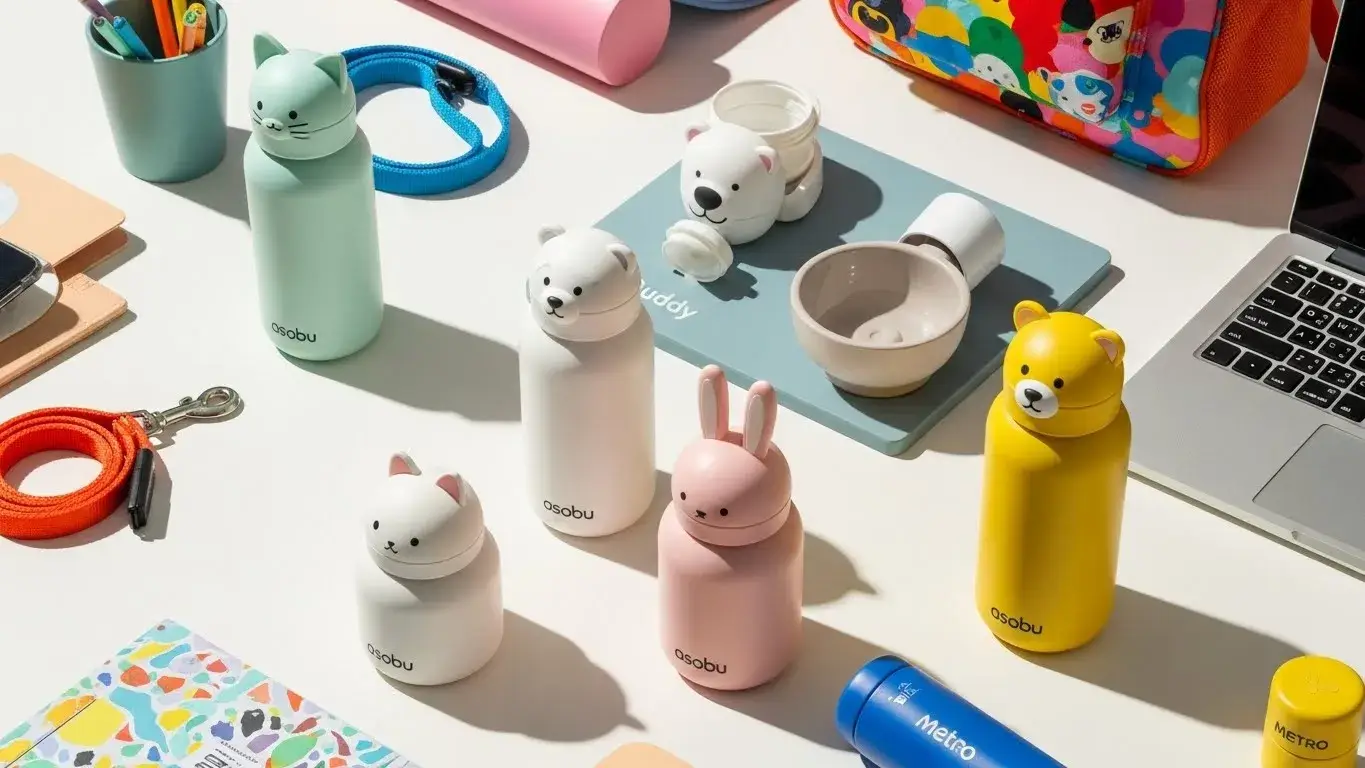
Design That Sells
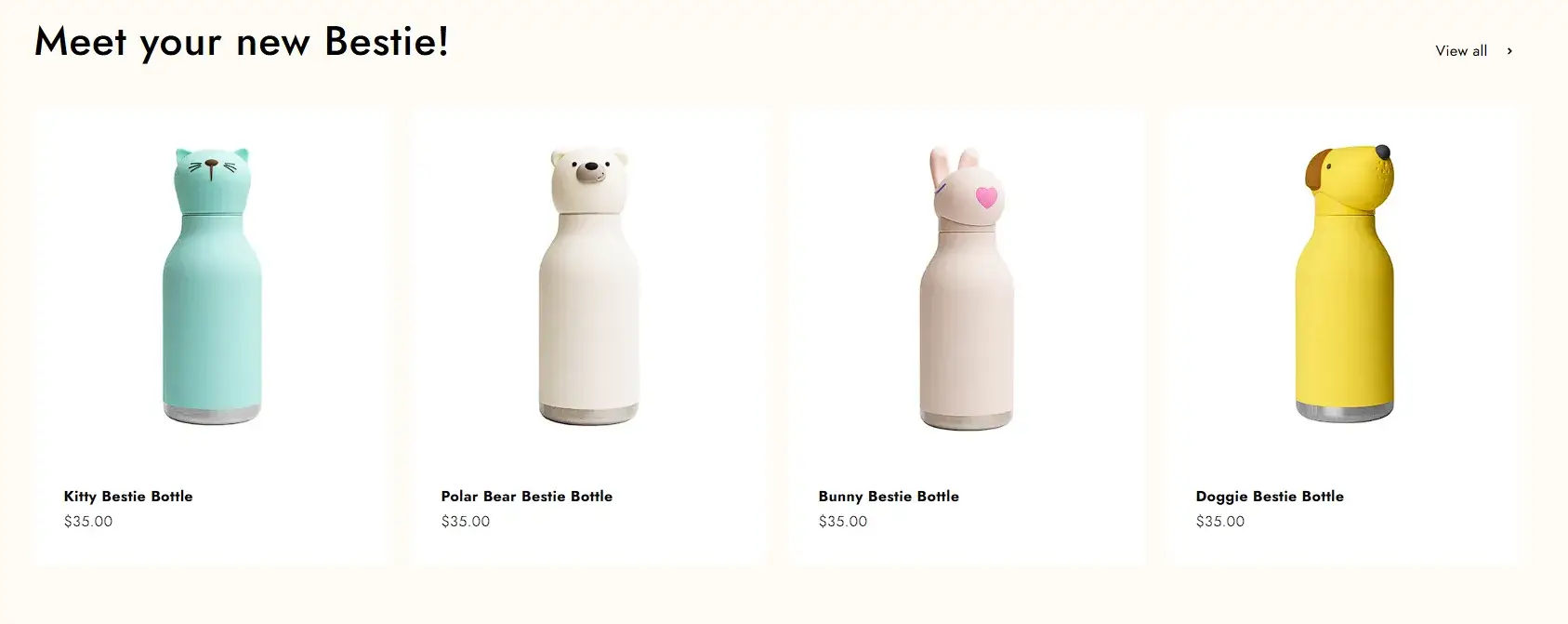
- Bestie Bottles: Animal-head lids that increase child engagement
- Buddy Bottle: Dual-use with a pet bowl for dog parents
- Metro & Super Sippy: Slim profiles for bags, bikes, and desks
- Color Strategy: Brights and pastels that signal fun, not just utility
What worked? The Japanese-inspired name "Asobu" means "play"2—a brand identity baked into every release. Sales data shows that 40% of their early business came from branded corporate gifts, but their expansion into direct-to-consumer was supercharged by this distinct personality.
Digital-first tactics, like SEO-optimized listings on Amazon and influencer campaigns on X, doubled traffic from 2020 to 2025.
What Key Innovations Set Asobu Apart from Rivals Like Hydro Flask?
While many brands focus on ruggedness or trend appeal, Asobu builds for lifestyle diversity.
Asobu combines triple-wall insulation3, ceramic linings4, and niche-friendly add-ons to match Hydro Flask's performance at half the price—while offering broader appeal.
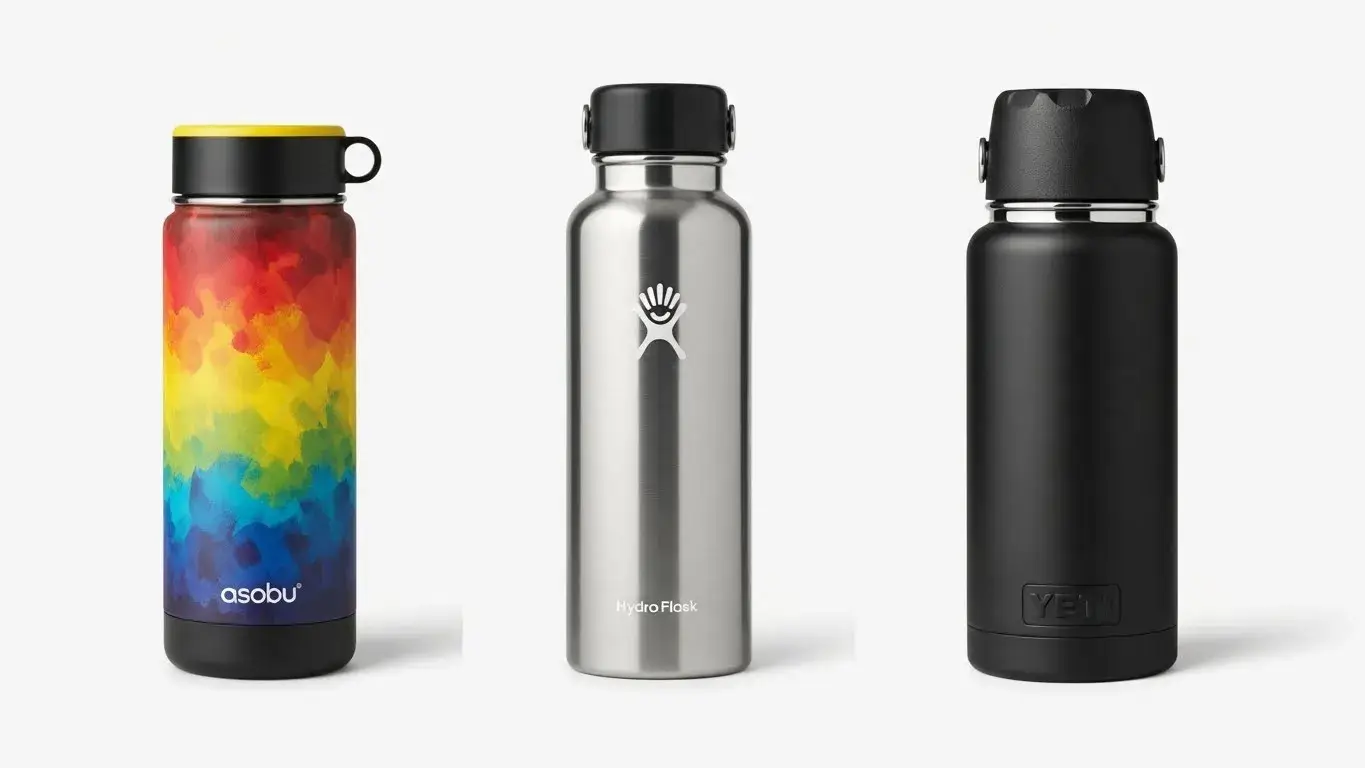
Side-by-Side Comparison
| Feature | Asobu | Hydro Flask | Yeti |
|---|---|---|---|
| Insulation | 24hr cold / 12hr hot | 24hr cold / 12hr hot | 30hr cold / 12hr hot |
| Interior Taste | Ceramic-lined | Stainless steel | Stainless steel |
| Design Appeal | Playful, colorful | Sleek, sporty | Rugged, masculine |
| Price Range (USD) | $20–$40 | $45–$65 | $50–$90 |
| Niche Options | Kids, pets, travel | Outdoor, office | Hunting, camping |
Asobu's ceramic-lined bottles eliminate metallic aftertaste—perfect for coffee drinkers. Meanwhile, their playful options appeal to families and commuters, not just adventurers.
Reviewers often note, "Feels premium like a Hydro Flask, but more fun—and half the cost."
Why Has Asobu's Commitment to Eco-Materials Fueled Their Growth?
Eco-consciousness isn't just branding for Asobu—it's central to product design.
Asobu uses 100% recycled stainless steel5 and BPA-free materials6, aligning with consumer demand for sustainable alternatives to single-use plastic.
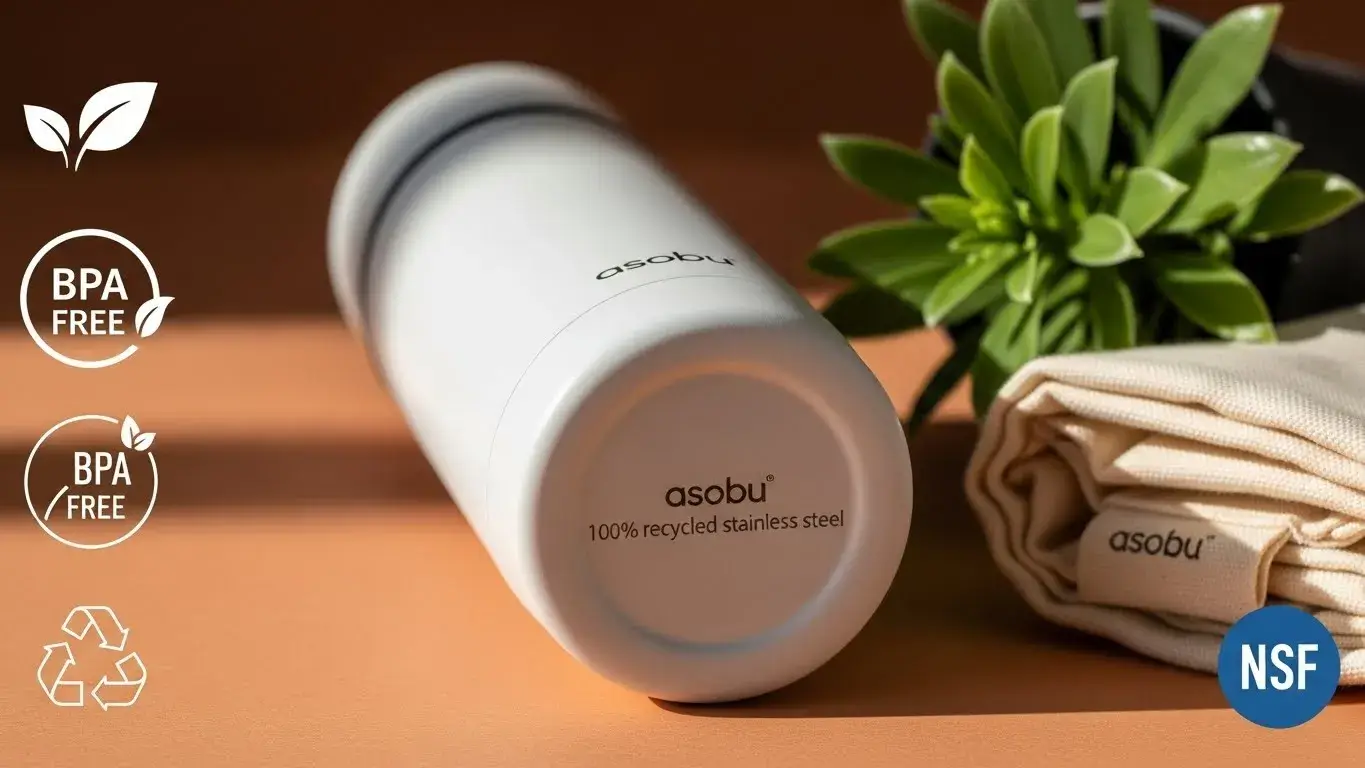
Verified Eco Benefits
- Materials: 18/8 recycled steel7, lead-free coatings
- Certifications: FDA-compliant, NSF-verified
- Impact: Up to 500 plastic bottles replaced per user/year
- User Ratings: 4.6/5 for long-term performance in eco-reviews
Unlike some brands that simply claim green values, Asobu backs it up. NSF verification, responsible sourcing, and durable builds mean each purchase supports reduced waste and longer product lifespans.
And with laws cracking down on single-use plastics8, their timing couldn't be better.
What Challenges Did Asobu Face—and How Did They Overcome Them?
Every growing brand hits bumps—and Asobu had a few.
Early warranty issues and design flaws drew criticism, but Asobu responded by upgrading policies, materials, and quality controls.
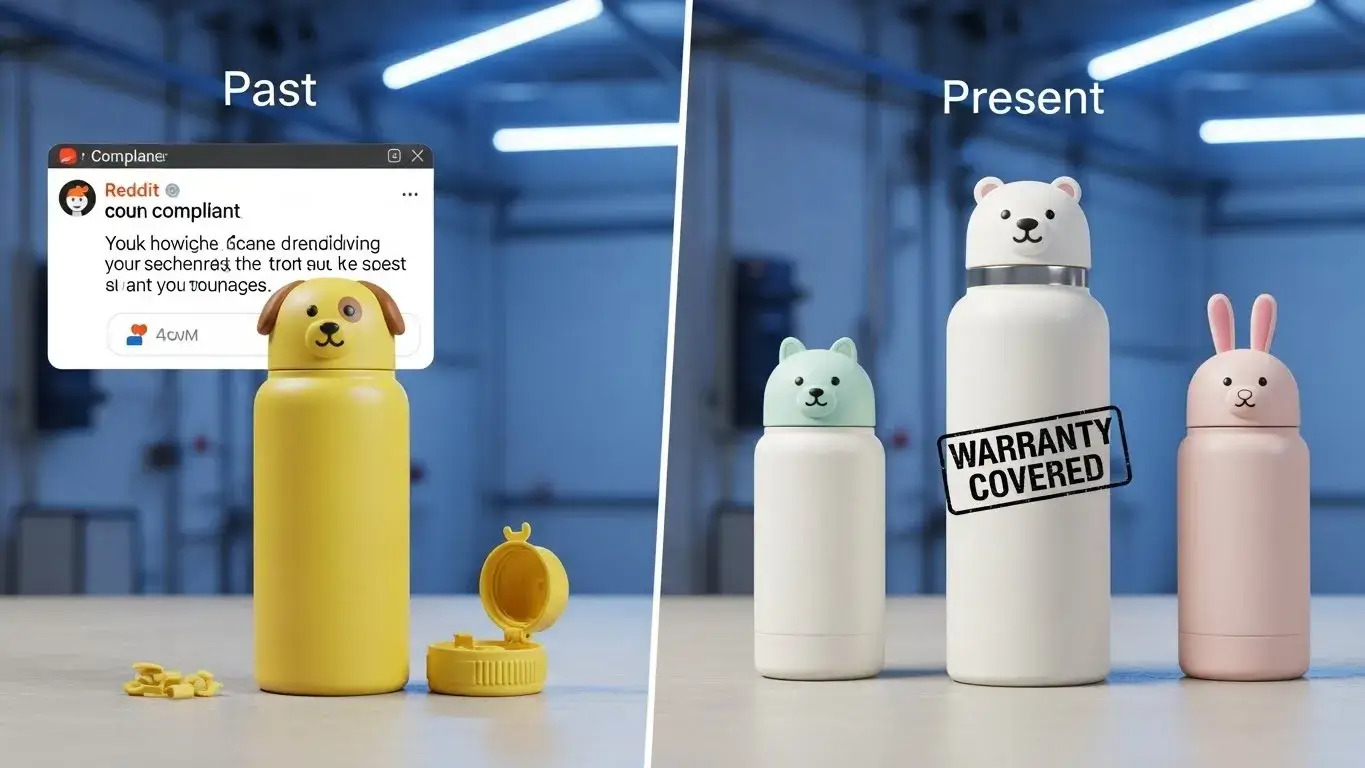
Notable Challenges
- Warranty Confusion: 2017 Reddit posts flagged lid failures with no support
- Cold Brew Filter Issues: Early models leaked or clogged
- Scaling Strains: Supply couldn't meet 2020 demand spikes
In response, Asobu updated their warranty to include free replacement parts for qualifying defects. They also rolled out v2.0 models based on customer feedback and shifted more production to Asia, lowering lead times and costs by 20%.
The result? Return satisfaction rates rose to over 95% by 2023.
What's Next for Asobu: Can They Sustain the Momentum?
So where does Asobu go from here?
The brand is investing in smart bottle tech, B2B customization, and expanding globally—especially in Asia and Europe, where demand for stylish sustainability is growing fast.
What's Coming Next
- Smart Lids: Hydration trackers with mobile integration (in testing)
- Expanded B2B Lines: Swag.com reports 50% of orders now branded for events
- New Regions: Infuser-style bottles gain traction in Indonesia, Japan
- Collabs: Limited edition colorways with lifestyle influencers underway
With competitors focused on either high-end pricing or rugged features, Asobu is doubling down on inclusive, customizable hydration—with joy baked in.
Conclusion
Asobu's rise isn't an accident—it's the result of design thinking, sustainability, and user-focused innovation that turns hydration into a lifestyle.
FAQs
Who founded Asobu and what's their story?
An Israeli entrepreneur launched Asobu in the late 1990s through Ad-N-Art, a Canadian family-owned company focused on gifting. It evolved into drinkware by 2005.
What does 'Asobu' mean, and how does it shape the brand?
"Asobu" means "to play" in Japanese. This inspired the brand's colorful, fun-focused designs, especially for kids and pet lovers.
Why has Asobu succeeded in the competitive drinkware market?
Playful aesthetics, eco-conscious materials, competitive pricing, and smart digital strategies helped the brand stand out in a crowded market.
Is Asobu a sustainable brand worth investing in?
Yes. Their bottles use 100% recycled stainless steel, BPA-free parts, and certified coatings, making them a responsible long-term option.
How does Asobu compare to Hydro Flask or Yeti?
Asobu matches Hydro Flask on insulation, but wins on price and kid/pet design. Yeti is tougher for outdoors; Asobu is better for daily, family-friendly use.
What sets Asobu's bottles apart in real-world use?
Ceramic linings prevent metallic taste, and bottles stay leak-proof for years. Plus, fun features make them favorites for gifts and kids.
Is the warranty real?
Yes—since 2020, Asobu has honored lifetime defect coverage, including free replacement lids for most models.
Where can I buy Asobu bottles?
Available on Amazon, Walmart, and direct via asobubottle.com. Global shipping now includes Asia, Europe, and North America.
Do Asobu bottles support corporate branding?
Absolutely. Over 50% of 2025's sales were through custom B2B orders for events, employee gifts, and promotions.
What's the average lifespan of an Asobu bottle?
With proper care, users report 5+ years of consistent insulation and performance—even after daily use.
Footnotes
-
Ad-N-Art's official LinkedIn page confirms the company's 16+ year history in drinkware and their development of the Asobu brand, headquartered in Montreal, Canada with over 150 employees and global distribution. ↩
-
JLPT Sensei, a respected Japanese language learning resource, confirms that 遊ぶ (asobu) means "to play; to enjoy oneself; to have a good time" in Japanese—the meaning that directly inspired Asobu's playful brand identity. ↩
-
BottlePro provides detailed technical analysis comparing triple-layer insulation technology versus dual-wall bottles, including real-world insulation tests that demonstrate how added copper lining enhances temperature retention. ↩
-
Cupique, a premium drinkware manufacturer, explains how ceramic-lined stainless steel bottles create an inert barrier between beverages and metal, preventing metallic taste while avoiding chemicals found in plastic alternatives. ↩
-
Klean Kanteen's documentation demonstrates that certified 90% post-consumer recycled 18/8 stainless steel reduces greenhouse gas emissions by approximately 50% compared to conventional steel, setting industry standards for sustainable drinkware. ↩
-
Eastman Chemical Company, the manufacturer of Tritan plastic, provides official safety documentation confirming FDA clearance and certification from global regulatory agencies, proving Tritan is free from BPA, BPS, and all bisphenol compounds. ↩
-
MightyNest explains that 18/8 stainless steel (also known as 304 grade) contains 18% chromium and 8% nickel, making it highly resistant to corrosion and safe for food and beverage contact—the preferred material for quality drinkware. ↩
-
The European Commission's official documentation outlines comprehensive single-use plastic regulations including the Single-use Plastics Directive (SUPD), which has reduced single-use plastics on EU coastlines by 40% since 2015 and is driving global demand for reusable alternatives. ↩